Have you ever dreamed of a place where cultures don’t just coexist but truly blend, creating something incredibly vibrant and unique? Well, that’s exactly what you’ll find in Mauritius!
Walking through its colorful streets, you immediately feel the pulse of a fascinating history, a tapestry woven from stories stretching across continents – from the bustling markets of India to the lively rhythms of Africa, and the refined tastes of Europe, all with a distinct Chinese influence.
It’s truly a melting pot, and this incredible mix shapes everything, from the delicious food to the melodic languages you’ll hear. If you’re curious about how this beautiful island became such a mosaic of humanity, you’re in for a treat.
Let’s explore exactly what makes up the incredible ethnic tapestry of Mauritius and discover how these diverse roots have grown into such a harmonious society.
It’s truly incredible how Mauritius has become this vibrant tapestry, isn’t it? When you walk through Port Louis or even a small village, you don’t just see a mix of faces; you *feel* the layers of history, hear the echoes of different tongues, and catch the irresistible aromas of cuisines from across the globe.
It’s not just a demographic fact; it’s a living, breathing experience that shaped who Mauritians are today. I remember once trying to trace the influences in a single dish, and it was like a delicious history lesson on a plate!
The Enduring European Imprint: From Sugar Plantations to Lingua Franca
The story of Mauritius really begins with its discovery and subsequent colonization by European powers, each leaving an indelible mark on the island’s societal structure and cultural fabric. First, the Dutch came and went, but not before introducing sugarcane, which would become the backbone of the island’s economy for centuries. Then, in 1715, the French arrived, renaming the island ‘Ile de France’ and establishing Port Louis as a crucial naval base and shipbuilding hub. It was during this French period that the island’s agricultural potential truly began to be exploited, heavily reliant on enslaved labor from Africa and Madagascar. When the British eventually seized control in 1810, they made a rather unique and strategic decision: they largely allowed the French language, laws, and customs to remain intact, a move that significantly influenced the island’s future linguistic and legal landscape. This blend of French sophistication and British administrative structure created a unique colonial blend that is still palpable today, from the architecture to the legal system. It’s fascinating to observe how even under British rule, French maintained its prestige and became the language of high culture and business, laying the groundwork for its pervasive influence in daily life.
The French Language and Its Lasting Legacy
You know, it’s quite something to land in Mauritius and realize that despite being an English-speaking blog, French is often more widely spoken than English! Even though English holds the official status and is the language of government and business, French has maintained a deep cultural hold. I’ve personally found that most Mauritians are more comfortable conversing in French, and it truly dominates media, literature, and many cultural expressions. It’s not just about the Franco-Mauritian elite; French is genuinely embraced across all ethnic groups. This is a direct inheritance from the French colonial era, and it’s intertwined with the emergence of Mauritian Creole, which itself is a French-based patois.
Colonial Administration and Infrastructure
Beyond language, the European powers laid much of the foundational infrastructure of modern Mauritius. The French were instrumental in developing Port Louis into a significant port, a hub for Indian Ocean trade, and establishing a robust sugar industry. When the British took over, they largely preserved these structures, focusing on expanding the sugar economy further. This continuity, even through changes in colonial power, speaks volumes about the pragmatic approach taken by the colonizers and their lasting impact on the island’s economic and physical landscape. It’s a reminder that history isn’t just about dates and battles; it’s about the tangible legacy you see in every old building and every sugarcane field today.
Echoes of Resilience: African Heritage and Creole Identity
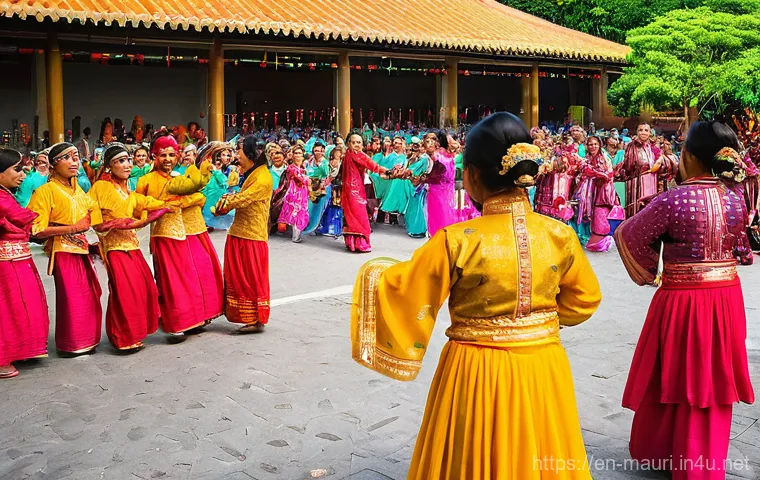
The story of Mauritius cannot be told without acknowledging the profound impact of African heritage, predominantly brought to the island through the harrowing transatlantic slave trade. Enslaved people from continental Africa, especially from regions like Mozambique and Madagascar, were forcibly brought to Mauritius by both the Dutch and later the French to toil on the burgeoning sugar plantations. Their arrival, from the 17th to the 19th century, laid the foundation for what we now know as Mauritian Creole culture. It’s a testament to incredible resilience and adaptation that, despite the brutal conditions of slavery, these communities not only survived but forged a vibrant new identity, influencing almost every aspect of modern Mauritian life. When you hear the rhythmic beats of Sega music, the national music of Mauritius, you’re listening to the powerful echoes of this African past, a sound that transcends ethnic boundaries and unites people in celebration. I always feel such a deep sense of connection to history when I witness a Sega performance; it’s pure, unadulterated soul.
The Birth of Mauritian Creole Language
One of the most remarkable cultural contributions stemming from this heritage is the Mauritian Creole language. It emerged as a pidgin among the French slave masters and their diverse enslaved workforce in the 18th century, incorporating words from various African and Malagasy dialects. Over time, it evolved into a unique French-based patois, becoming the lingua franca of the island. Today, Mauritian Creole is spoken by about four-fifths of the population and serves as the everyday language for most Mauritians, effectively bridging cultural divides. It’s more than just a means of communication; it’s a living testament to cultural fusion and the island’s complex history. It became an officially recognized optional language subject in primary schools in 2012, further solidifying its importance.
Cultural Expressions: Music, Dance, and Spirituality
Beyond language, African traditions are woven into the very fabric of Mauritian culture. The traditional Sega music and dance, with its distinct African roots, is a prime example. Instruments like the “Maravanne” have clear parallels to African instruments. Furthermore, aspects of African spirituality and customs have been subtly integrated into the broader Mauritian belief system, often blending with Christian or other religious practices to form unique local expressions. The “bizin” ritual, with its vibrant colors and songs, hints at these deep African roots. Celebrating the Commemoration of the Abolition of Slavery on February 1st is an important day of reflection and honor, reminding everyone of the struggles and triumphs that shaped the Creole identity.
The Indelible Mark of the Indian Diaspora
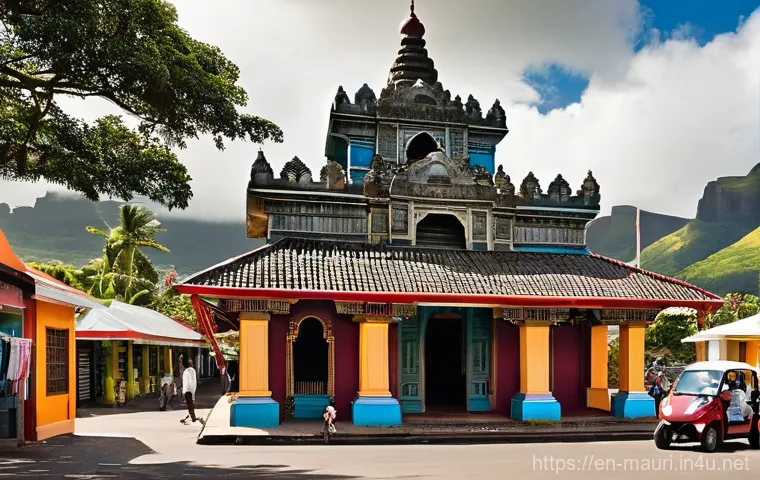
If you spend any time in Mauritius, you’ll quickly realize the profound and vibrant presence of the Indian diaspora. They constitute approximately two-thirds of the population and their arrival, primarily as indentured laborers, dramatically reshaped the island’s demographic and cultural landscape. Starting in 1834, following the abolition of slavery, thousands of Indians from various regions like Bihar, Uttar Pradesh, Tamil Nadu, and Andhra Pradesh were brought to Mauritius to work on the sugar plantations. This was a challenging period, marked by hardship, but these communities persevered, building temples and mosques that became the heart of their new communities and fostering a rich cultural exchange. I’ve heard stories from older generations, passed down through families, about the immense sacrifices made and the resilience required to maintain their traditions in a new land. It truly is inspiring to see how their heritage is not just preserved, but actively celebrated and integrated into the broader Mauritian identity.
Culinary Spice and Flavor
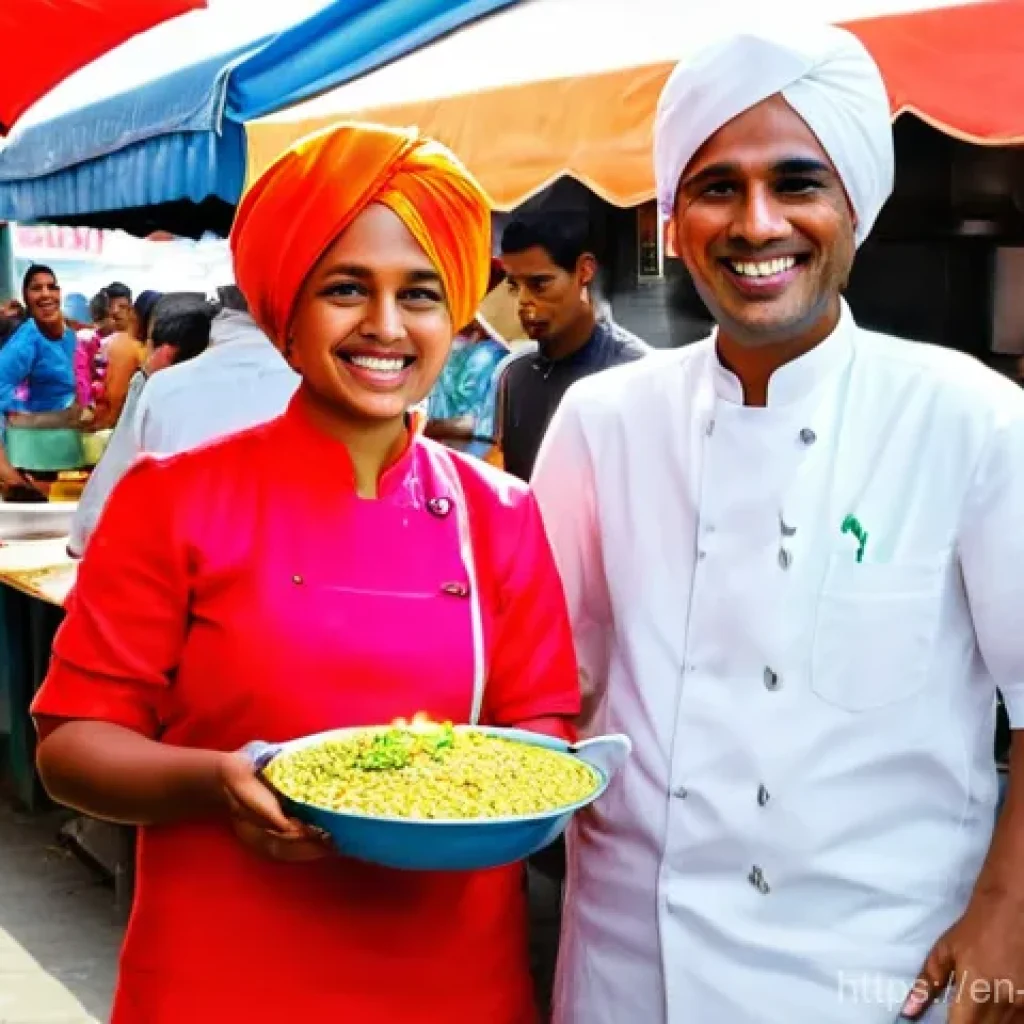
Oh, the food! Indian cuisine has undeniably had a colossal impact on the Mauritian culinary scene, enriching it with a treasure trove of exotic spices and cooking techniques. Dishes like biryani, fish curry, and the ubiquitous dholl puri—a thin flatbread filled with spicy ground split peas, served with chutneys and pickles—are absolute staples now. You can’t walk down a street in Port Louis without encountering the irresistible aroma of Indian-influenced dishes. My first taste of dholl puri was an unforgettable experience; it’s a simple snack but packed with so much flavor and history, a perfect example of cultural fusion. This culinary tradition isn’t just about taste; it’s about shared meals, family recipes, and the way food brings people together.
A Kaleidoscope of Festivals and Languages
The Indian community brought with them a rich tapestry of religions and languages, which are celebrated with immense enthusiasm across the island. Hindu festivals like Diwali, Maha Shivaratree, and Holi are observed with incredible vibrancy, filling the air with lights, devotion, and colorful celebrations. The Thaipoosam Cavadee, a Tamil festival, is particularly striking with its elaborate rituals. Beyond festivals, Indian languages such as Hindi, Tamil, Telugu, Marathi, and Bhojpuri are not just spoken within homes but are also taught in schools, acting as vital markers of religious and ethnic identity. This linguistic diversity is a true reflection of the deep-rooted Indian influence, enriching Mauritius’s multicultural fabric.
The Dragon’s Embrace: Chinese Contributions to Island Life
While perhaps a smaller community numerically compared to the Indian or Creole populations, the Sino-Mauritians have undeniably made significant and lasting contributions to the island’s economy and cultural landscape. Chinese immigrants began arriving in Mauritius as early as the late 1600s, with a more substantial influx in the 19th century, primarily as traders and laborers from southeastern China, particularly Cantonese from Guangdong and Hakka from Meixian. They quickly established themselves as successful entrepreneurs, especially in the retail and hospitality sectors. Walking through Chinatown in Port Louis, with its distinctive archways, murals, and bustling shops, you can’t help but feel the energy and history of this community. It’s a place where tradition and commerce beautifully intertwine, a testament to their entrepreneurial spirit and cultural preservation. I’ve always been amazed at how such a relatively small group can have such a profound and widespread influence.
Pioneers of Commerce and Cuisine
The Sino-Mauritian community is legendary for its entrepreneurial drive. From setting up chains of retail shops that supplied basic necessities across the island in the 19th century, they diversified into various sectors like textiles, real estate, and banking. It’s often said they held a “virtual monopoly” on retail trade at one point, and even today, many are successful merchants and traders. But their impact goes far beyond business; Chinese cuisine has become an integral part of the national diet. Fried noodles (“mines frites”), fried rice, dim sum, and a variety of other Chinese dishes are beloved by all Mauritians, regardless of their background. I can tell you from personal experience, a plate of fresh “mines frites” from a local Chinese restaurant in Mauritius is a culinary delight you won’t soon forget!
Cultural Preservation and Community Spirit
Despite their dwindling numbers due to emigration, the Sino-Mauritian community actively preserves its rich cultural heritage. Festivals like the Chinese Spring Festival (Lunar New Year) are celebrated with great fanfare, featuring vibrant lion dances, fireworks, and traditional wax cakes distributed among relatives and friends. Chinatown in Port Louis becomes a hub of activity, alive with color and sound. The community also maintains cultural and clan-based societies, Chinese newspapers, and even Mandarin schools, ensuring that their languages—Hakka and Mandarin—and traditions are passed down through generations. These efforts demonstrate a powerful commitment to identity within the broader Mauritian mosaic.
A Symphony of Flavors: Mauritian Cuisine as a Cultural Crossroads
If there’s one area where Mauritius truly shines as a melting pot, it’s in its incredible cuisine. Honestly, every meal here feels like a journey around the world, all on one plate! Mauritian cuisine isn’t just a mix; it’s a sophisticated blend, where African, Chinese, European (especially French), and Indian influences come together to create something utterly unique and delicious. This isn’t just about different dishes coexisting; it’s about the flavors themselves adapting and evolving together over centuries. I remember trying a curry that had subtle French techniques in its preparation, alongside Indian spices and a touch of local Creole flair – it was mind-blowing! The island’s tropical location and access to fresh seafood and vibrant vegetables like okra, eggplant, garlic, and chilies further enhance this culinary diversity. It’s a testament to how people, through shared experiences and daily life, can create something beautiful and harmonious even from disparate origins.
Iconic Dishes: A Taste of History
Certain dishes have become true icons of Mauritian cuisine, each telling a part of the island’s story. Take “rougaille,” for instance, a spicy tomato and garlic-based stew with African and Creole roots, often prepared with meat, eggs, or fish. Then there’s the famous “dholl puri,” that soft, lentil-filled flatbread I mentioned earlier, which is undeniably Indian in origin but has become a national snack for everyone. And for those who love noodles, the Chinese-influenced “mines frites” (fried noodles) are everywhere, perfectly adapted to local tastes. You also find French-inspired dishes like “coeurs de palmier gratin” (heart of palm gratin), but with a Mauritian twist using local ingredients. This isn’t just fusion for fusion’s sake; it’s an organic evolution born out of necessity and shared living.
From Street Food to Festive Feasts
The culinary diversity is evident everywhere, from the bustling street food stalls to the elaborate feasts prepared for religious festivals. On any given day, you can grab a “gâteau piment” (spicy lentil fritters) which has Indian influences, followed by a “pao” (steamed bun) from a Sino-Mauritian vendor, and wash it down with an “alouda,” a refreshing Creole milk drink. During festivals like Diwali, you’ll find delicious Indian sweets like biryani and barfi. Christian festivals might feature French dishes like “coq au vin” alongside local potato cake, while Muslim celebrations bring rich dishes like “halim.” This gastronomic landscape truly highlights how different communities have contributed to and enriched the Mauritian palette, making every meal a celebration of shared heritage.
Bridging Divides: Languages, Religions, and Social Harmony
One of the most remarkable aspects of Mauritius, something that truly strikes you when you spend time there, is the incredible harmony among its diverse peoples, despite the myriad of languages and religions coexisting on such a small island. It’s not a melting pot where identities disappear; rather, it’s more like a vibrant mosaic where each piece retains its distinct color while contributing to a breathtaking whole. This isn’t to say there aren’t historical complexities or ongoing dialogues, but the overarching spirit is one of mutual respect and integration. I’ve personally witnessed neighbors from different religious backgrounds sharing food during their respective festivals, something that fills you with hope for global understanding. This unique social fabric is a product of deliberate efforts towards national unity and a shared Mauritian identity.
A Multilingual Marvel
The linguistic landscape of Mauritius is truly fascinating. While English is the official language for government and business, and French holds sway in media and high culture, Mauritian Creole is the undisputed lingua franca, spoken by the vast majority of the population. But it doesn’t stop there! Indian languages like Hindi, Tamil, Telugu, Marathi, and Bhojpuri are widely spoken within their communities and taught in schools, serving as crucial links to ancestral heritage. The Chinese community cherishes Hakka and Mandarin. It’s not uncommon for Mauritians to be fluent in two, three, or even more languages, effortlessly switching between them. This linguistic agility is a direct reflection of the island’s history and its diverse population, enabling rich cross-cultural communication and understanding.
Religious Coexistence and Celebrations
Mauritius is a secular state, proudly celebrating a multitude of religions. Hinduism is the most prevalent, followed by Christianity, Islam, and a small minority practicing Buddhism. What’s truly special is how major festivals from all these faiths are recognized as public holidays and celebrated with widespread enthusiasm across the island. I’ve been there during Diwali, and the entire island lights up, not just Hindu homes. Similarly, the Chinese New Year brings dragon dances to Port Louis, and Christmas is a joyous occasion for Christians and many others. This shared celebration of different religious events fosters a deep sense of community and mutual appreciation, making the island a vibrant canvas of spiritual and cultural expression throughout the year.
Mauritius’ Economic Evolution: A Tale of Diversity and Ingenuity
Beyond its stunning beaches and rich cultural tapestry, Mauritius has a compelling economic success story, especially remarkable for a small island nation in Africa. This journey from a mono-crop sugar economy to a diversified and prosperous nation is deeply intertwined with its multi-ethnic population. Each wave of immigration, whether forced or voluntary, brought not just labor but also unique skills, entrepreneurial spirit, and cultural practices that contributed to the island’s economic fabric. The Indian indentured laborers, for example, transformed the agricultural sector and later ventured into various trades, while the Chinese community became pioneers in retail and commerce, creating micro-credit systems that served the broader population. The Franco-Mauritians, though a minority, maintained significant control over the large sugar estates and are active in banking and business. It’s a powerful illustration of how diverse human capital, when given the opportunity, can drive remarkable development. I’ve often thought that Mauritius’s economic resilience is a direct reflection of its people’s ingenuity and adaptability.
From Sugar Dependence to Diversified Growth
For centuries, Mauritius’s economy was almost entirely dependent on sugarcane. The arrival of different ethnic groups, particularly after the abolition of slavery, was intrinsically linked to sustaining and expanding this industry. However, the island strategically diversified its economy over time, moving into textiles, tourism, and financial services. The various communities played their part in this transformation. For instance, the Chinese community’s early dominance in retail laid groundwork for broader trade, and Indian entrepreneurs contributed significantly to various business sectors. This shift wasn’t easy, but the collective drive and adaptability of its diverse population were key. It allowed Mauritius to build a robust economy, earning it a reputation as one of Africa’s most stable and prosperous nations.
Entrepreneurship and Community Contribution
The different ethnic groups have made distinct, yet complementary, contributions to the Mauritian economy. The Indo-Mauritian community, after initially forming the backbone of agricultural labor, diversified into various professions and significantly influenced the political and public sectors. The Sino-Mauritians, despite being a smaller group, “punch well above their weight” in business, owning numerous restaurants, retail and wholesale shops, and import-export firms. They even introduced early micro-credit systems. This entrepreneurial spirit, combined with a collective work ethic, has been a driving force behind the island’s economic success. It showcases how varied cultural backgrounds can bring different strengths to the economic table, creating a dynamic and resilient system.
| Main Ethnic/Cultural Influence | Key Historical Period of Arrival/Dominance | Notable Cultural Contributions | Economic Impact |
|---|---|---|---|
| European (French/British) | 17th – 19th Century (French: 1715-1810, British: 1810-1968) | French language, Creole language foundation, legal system, architecture, Christian holidays (Christmas, Easter). | Sugar industry establishment, colonial administration, modern infrastructure, banking, tourism. |
| African (Creole) | 17th – 19th Century (via slavery) | Mauritian Creole language, Sega music and dance, unique culinary dishes (Rougaille), resilient cultural identity. | Labor force for sugar plantations, development of local crafts and trades. |
| Indian (Indo-Mauritian) | 19th Century (indentured labor) | Hinduism, Islam, diverse Indian languages (Hindi, Tamil, Bhojpuri), vibrant festivals (Diwali, Maha Shivaratree), rich culinary heritage (curries, dholl puri). | Agricultural workforce, entrepreneurship in various sectors, significant political influence, development of retail and small businesses. |
| Chinese (Sino-Mauritian) | 19th Century (traders, laborers) | Chinese cuisine (fried noodles, dim sum), Chinese New Year celebrations, traditional pagodas, cultural associations. | Dominance in retail trade, import/export, restaurants, textiles, early micro-credit systems. |
Mauritian Identity: A Continuous Evolution
What truly sets Mauritius apart, in my opinion, is not just the presence of so many different cultures, but the continuous, dynamic process of their intermingling and evolution into a distinct Mauritian identity. This isn’t a static photograph; it’s a constantly moving picture, where traditions are preserved, adapted, and celebrated in new and exciting ways. The island prides itself on “unity in diversity,” and it’s a sentiment you genuinely feel. It’s about respecting the roots of each community while nurturing a shared sense of belonging to this beautiful island nation. When you meet a Mauritian, they might effortlessly tell you about their Indian heritage, speak to you in Creole, have a French surname, and celebrate Chinese New Year. That’s not confusion; that’s Mauritius. This harmonious blend, forged through centuries of interaction, migration, and mutual adaptation, is what makes the island so special.
Cultural Blending in Daily Life
This blending isn’t just visible during grand festivals; it’s part of the everyday rhythm of life. Children learn in multilingual environments, absorbing cultural nuances from their peers. Families might prepare a Chinese dish one night and an Indian curry the next, or celebrate Christmas with a distinct Mauritian flair. Even simple greetings on the street can involve a mix of French, Creole, and English. This organic, daily interaction is where the true magic happens, subtly shaping customs, tastes, and perspectives. It’s this natural, unforced integration that makes the Mauritian experience so rich and authentic, offering a powerful lesson in global coexistence. It’s a testament to the idea that diversity doesn’t have to mean division; it can be the very source of strength and beauty.
The Path Forward: Preserving and Innovating
As Mauritius moves forward, the challenge and opportunity lie in continuing to preserve these rich ancestral heritages while also fostering an innovative, forward-looking Mauritian identity. This involves ensuring that younger generations understand and value their diverse roots, supporting cultural institutions, and promoting inter-ethnic dialogue. The island’s commitment to education, language instruction, and celebrating its myriad festivals are crucial components of this ongoing evolution. It’s about striking that delicate balance between tradition and modernity, ensuring that the unique mosaic of Mauritius continues to shine brightly for generations to come. Having seen it firsthand, I truly believe Mauritius has a lot to teach the world about how to build a truly harmonious, multicultural society.
글을 마치며
And there you have it, friends! Writing about Mauritius always takes me back to those vibrant streets and the incredible warmth of its people. It’s truly a place that exemplifies how diverse cultures can not only coexist but thrive, creating a tapestry richer and more beautiful than any single thread could achieve. The journey through its history, cuisines, and shared spaces is a powerful reminder that our differences can be our greatest strength. If you’ve never experienced this unique island nation, I genuinely encourage you to put it on your bucket list; it’s a profound experience that stays with you long after you’ve left its shores, a real testament to human harmony.
알아두면 쓸모 있는 정보
1. Most visitors from major Western countries can enter Mauritius visa-free or obtain a visa on arrival, making travel quite convenient. Always double-check your specific country’s requirements before you fly.
2. The local currency is the Mauritian Rupee (MUR), and credit cards are widely accepted in hotels and larger establishments, but it’s always handy to have some local cash for street food and smaller shops. ATMs are readily available.
3. While English is the official language, you’ll find Mauritian Creole is the most common everyday language, and French is also widely spoken. Don’t worry, most people in the tourism industry speak excellent English!
4. The best time to visit Mauritius is generally during its dry, cooler season, which runs from May to December. The weather is more temperate and less humid, perfect for exploring both beaches and inland attractions.
5. Getting around is relatively easy; you can rent a car, hire a taxi for longer trips, or experience the local life by using the extensive bus network for shorter distances. Just remember they drive on the left!
중요 사항 정리
Mauritius stands as a remarkable example of a harmonious multicultural society, where European, African, Indian, and Chinese influences have converged to create a unique and vibrant national identity. This rich blend is evident in its diverse languages, widespread religious celebrations, and most deliciously, its world-renowned cuisine. Beyond its cultural tapestry, Mauritius has also forged a robust and diversified economy, transitioning from sugar dependence to a thriving hub for tourism and financial services, largely thanks to the collective ingenuity and entrepreneurial spirit of its diverse population. It’s a place where history is alive in every interaction, making it a truly unforgettable destination.
Frequently Asked Questions (FAQ) 📖
Q: How did Mauritius become such an incredible melting pot of cultures?
A: Oh, this is one of my favorite questions when I talk about Mauritius! It’s like peeking into a beautifully complex history book. You see, Mauritius wasn’t originally inhabited, which meant when different colonial powers arrived, they brought people from all over the world with them.
First, the Dutch settled, then the French came, followed by the British. Each wave left its mark, but the biggest shifts happened due to labor needs. The French brought enslaved people from mainland Africa and Madagascar to work on plantations.
Then, after slavery was abolished under British rule in 1835, a massive influx of indentured laborers arrived, mostly from India, but also from China.
My experience tells me it’s this unique sequence of events – colonization, slavery, and then massive migration for labor – that truly forged the diverse ethnic mix you see today.
It’s not just a collection of groups; it’s a living testament to centuries of global movement, all distilled onto one stunning island.
Q: What are the main cultural influences I’ll experience in Mauritius, and how do they manifest in daily life?
A: When you visit Mauritius, you’re not just seeing diverse groups; you’re immersing yourself in a vibrant, living cultural tapestry! I’ve noticed the most prominent influences come from Indian, African (specifically Creole), European (especially French), and Chinese communities.
You’ll see this everywhere! For instance, the food scene is an absolute dream, a real fusion feast. You’ll find delicious Indian curries, Chinese noodles and dim sum, and French pastries, often all on the same menu, and sometimes even blended into unique Mauritian dishes like “rougaille” or special biryanis.
Linguistically, it’s fascinating! While English is the official language for government and business, Mauritian Creole is widely spoken as the lingua franca, and French is very common in media and daily conversation.
You’ll also hear languages like Bhojpuri, Tamil, and Hindi. What really struck me on my travels is how effortlessly these languages and traditions interweave, creating a truly unique atmosphere that’s rich in flavor, sound, and custom.
Q: How do so many different cultures and religions manage to coexist so peacefully in Mauritius?
A: This is probably the most beautiful aspect of Mauritius, and honestly, something I think the world could learn from! From what I’ve observed and felt firsthand, the harmony isn’t just coincidental; it’s deeply ingrained in the Mauritian identity and actively fostered.
The island’s constitution explicitly guarantees freedom of religion and prohibits discrimination. You’ll see Hindu temples, mosques, churches, and pagodas often standing quite close to each other, a physical representation of this tolerance.
What’s even more heartwarming is how people from different backgrounds participate in each other’s festivals. You might see neighbors of various faiths celebrating Diwali, Eid, Christmas, or Chinese New Year together.
It’s not about dissolving cultural boundaries; it’s about a profound respect and understanding for distinct traditions, leading to a collective sense of “Mauritian-ness.” There’s a real pride in this unity, a sense that their diversity is their strength, and that, for me, makes Mauritius truly special.