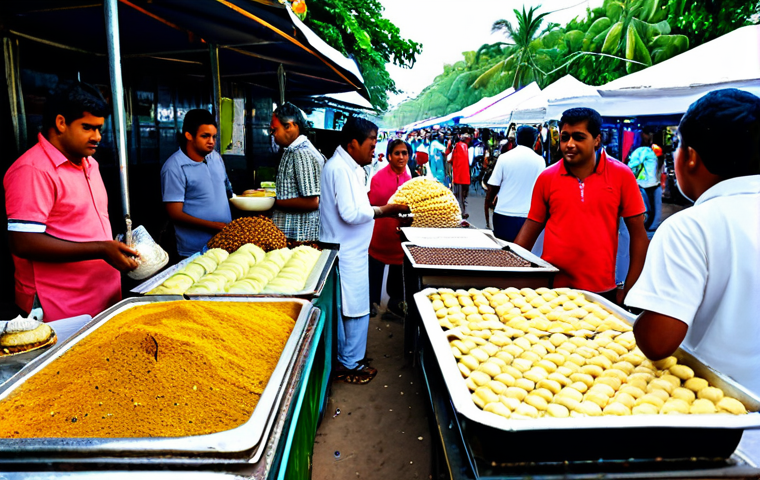
Mauritius, a jewel in the Indian Ocean, is a melting pot of cultures, and nowhere is this more evident than in its cuisine. Imagine fragrant spices mingling with fresh seafood, a testament to the island’s diverse heritage.
From the bustling street food stalls in Port Louis to the elegant restaurants overlooking the turquoise waters, Mauritian food is an adventure for the senses.
I remember trying “dholl puri” from a street vendor; the warm flatbread filled with ground yellow split peas and chutney was simply divine. Beyond the beaches and stunning landscapes, the true heart of Mauritius lies in its culinary traditions.
Let’s delve deeper into the delightful world of Mauritian cuisine in the article below.
Okay, I understand. Here’s the blog post:
The Allure of Mauritian Street Food
Mauritius’ street food scene is a vibrant tapestry woven with Indian, African, Chinese, and European influences. It’s where you’ll find the true pulse of the island, a symphony of sizzling sounds, tantalizing aromas, and bold flavors.
Forget fancy restaurants for a moment; the real culinary adventure begins on the streets. It’s an experience that engages all your senses, from the visually appealing spread of colorful ingredients to the friendly banter of the vendors.
I remember once getting completely lost in the backstreets of Quatre Bornes and stumbling upon a tiny stall selling “boulettes” – savory dumplings in a fragrant broth.
That unexpected discovery remains one of my fondest food memories. Trust me, you haven’t truly experienced Mauritius until you’ve sampled its street food.
A Culinary Journey Through Dholl Puri
Dholl puri is perhaps the most iconic Mauritian street food. I’ve seen countless variations, each vendor adding their own special touch. Imagine a delicate, thin flatbread, made from ground yellow split peas and flour, griddled to perfection.
This is then generously filled with a flavorful curry of lima beans (“gros pois”), a spicy tomato chutney, and a sprinkle of chili paste. The combination of textures and tastes is simply incredible – the soft, yielding bread, the creamy beans, the tangy chutney, and the fiery chili all working in harmony.
You can find dholl puri everywhere, from bustling markets to quiet street corners, and it’s a meal in itself, a true reflection of the island’s diverse heritage.
You can usually pick one up for around 25-30 Mauritian Rupees (MUR), making it a super affordable and delicious lunch option.
The Savory Delights of Gateaux Piments
Another street food staple, “gateaux piments” are small, crispy chili cakes made from ground lentils, spring onions, and, of course, chili peppers. They are deep-fried to a golden-brown perfection and are incredibly addictive.
I love the way they pack a punch – a burst of spicy flavor that lingers on your tongue. They’re often served hot, straight from the fryer, and are the perfect snack to enjoy while exploring the island.
I always buy a handful from the local vendor near the Flacq market and enjoy them while watching the bustling crowds. They usually cost around 5 MUR each, making them a ridiculously cheap and tasty treat.
Be warned though, they can be quite spicy!
The Elegance of Mauritian Curries: A Fusion of Flavors
Mauritian curries are a testament to the island’s rich history as a crossroads of cultures. Influenced by Indian, African, and European culinary traditions, they are a unique blend of fragrant spices, fresh ingredients, and slow-cooking techniques.
Unlike some Indian curries that can be intensely spicy, Mauritian curries tend to be more subtly flavored, allowing the natural sweetness of the vegetables and the delicate flavor of the seafood to shine through.
The use of local ingredients, like coconut milk, cilantro, and tamarind, adds a distinct Mauritian twist. I once took a cooking class in Grand Baie and learned the secrets of making a perfect chicken curry.
The key, I discovered, is in the slow simmering, which allows the flavors to meld together beautifully.
Seafood Curry: A Taste of the Ocean
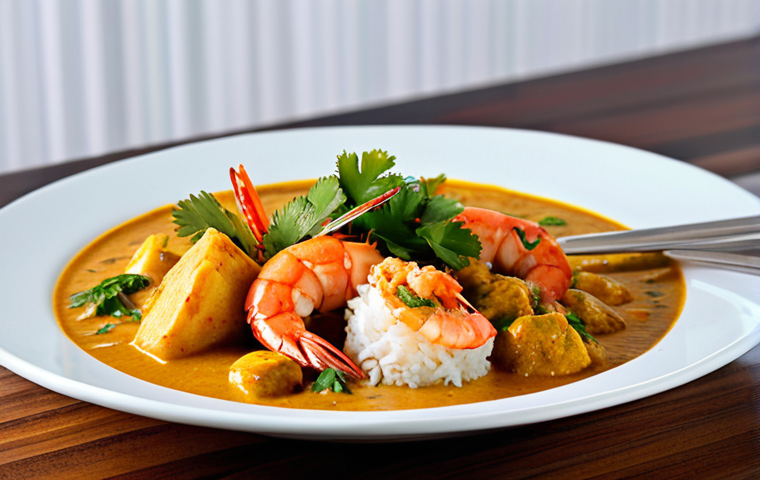
Given its island location, it’s no surprise that seafood features prominently in Mauritian cuisine. Seafood curry is a particular favorite, and there are countless variations to try.
You might find succulent prawns simmered in a rich tomato-based sauce with ginger, garlic, and chili. Or perhaps a delicate fish curry with coconut milk, turmeric, and cilantro.
I once had a lobster curry at a beachfront restaurant in Belle Mare that was simply unforgettable. The lobster was cooked to perfection, and the sauce was infused with the delicate aroma of lemongrass and ginger.
It was the perfect way to end a day of swimming and sunbathing.
Vegetable Curry: A Vegetarian’s Paradise
Mauritian curries are not just for meat eaters. There is a wide variety of delicious vegetable curries to choose from, often featuring local produce like eggplant, pumpkin, and spinach.
I especially love the “bringele au coco,” an eggplant curry cooked in coconut milk with a touch of chili. It’s creamy, flavorful, and incredibly satisfying.
Another favorite is the pumpkin curry, which is often spiced with cinnamon and cloves, giving it a warm and comforting flavor. Whether you’re a vegetarian or not, the vegetable curries in Mauritius are definitely worth trying.
Rum: The Spirit of Mauritius
No exploration of Mauritian culture would be complete without delving into the world of rum. The island’s fertile volcanic soil and tropical climate are ideal for growing sugarcane, and for centuries, Mauritius has been producing some of the finest rums in the world.
From light and crisp white rums to dark and complex aged rums, there’s a Mauritian rum to suit every taste. I remember visiting the Rhumerie de Chamarel and being blown away by the sheer variety of rums on offer.
The tasting session was a real education, and I learned about the different distillation and aging processes that contribute to the unique character of each rum.
The Art of Rum Distillation
Mauritian rum is typically made from sugarcane juice, which is fermented and then distilled using either column stills or pot stills. Column stills produce lighter, smoother rums, while pot stills produce richer, more complex rums.
The Rhumerie de Chamarel uses both types of stills, allowing them to produce a wide range of different rums. The sugarcane used to make the rum is grown on the estate, ensuring the highest quality ingredients.
The Magic of Aging
Many Mauritian rums are aged in oak barrels, which adds complexity and depth of flavor. The aging process can last anywhere from a few months to several years, depending on the desired style of rum.
Some rums are aged in French oak barrels, which impart notes of vanilla and spice, while others are aged in American oak barrels, which impart notes of caramel and butterscotch.
The length of aging and the type of barrel used all contribute to the unique character of each rum.
The Sweet Side of Paradise: Mauritian Desserts
After all that savory goodness, you’ll definitely want to indulge in some Mauritian desserts. The island’s sweet treats are just as diverse and flavorful as its savory dishes, reflecting the influence of Indian, French, and Chinese culinary traditions.
From delicate pastries to creamy puddings, there’s something to satisfy every sweet tooth. I have a particular weakness for the “napolitaines,” two buttery shortbread biscuits sandwiched together with a layer of jam and covered in bright pink icing.
They’re the perfect accompaniment to a cup of tea or coffee.
The Irresistible Napolitaines
As I mentioned, napolitaines are a must-try Mauritian dessert. These little pink delights are ubiquitous on the island, and you’ll find them in every bakery and supermarket.
The biscuits are light and crumbly, and the jam filling is sweet and fruity. The bright pink icing adds a touch of whimsy and makes them instantly recognizable.
They’re the perfect sweet treat to enjoy any time of day. I always buy a box to take home with me as a souvenir.
The Creamy Goodness of Coconut Cake
Coconut cake is another popular Mauritian dessert. It’s a moist, dense cake made with grated coconut and often flavored with vanilla and spices. It’s usually topped with a generous layer of coconut frosting, making it extra rich and decadent.
I love the way the coconut cake melts in your mouth, releasing a burst of tropical flavor. You can find coconut cake in most bakeries and cafes on the island.
| Dish | Description | Approximate Price (MUR) |
|---|---|---|
| Dholl Puri | Flatbread filled with ground split peas, curry, and chutney | 25-30 |
| Gateaux Piments | Spicy lentil cakes | 5 (per piece) |
| Seafood Curry | Various seafood curries | 150-300 |
| Napolitaines | Biscuits with jam and pink icing | 20-30 (per piece) |
Exploring the Markets: A Sensory Overload
The markets of Mauritius are a feast for the senses. From the bustling central market in Port Louis to the smaller, more local markets in towns and villages across the island, you’ll find a vibrant array of fresh produce, spices, handicrafts, and street food.
The air is filled with the sounds of vendors hawking their wares, the aroma of exotic spices, and the sight of colorful fabrics and vibrant fruits. It’s an experience that will leave you feeling invigorated and inspired.
I love wandering through the markets, discovering new and unusual ingredients, and chatting with the friendly locals. It’s a great way to get a sense of the real Mauritius, away from the tourist resorts.
The Central Market of Port Louis: A Must-See
The central market in Port Louis is the largest and most famous market in Mauritius. It’s a chaotic, bustling place where you can find just about anything.
From fresh fruits and vegetables to spices, textiles, and souvenirs, the market has it all. Be prepared to haggle, as prices are often negotiable. The market is also a great place to try local street food, such as dholl puri and gateaux piments.
The Flacq Market: A Local Gem
The Flacq market, located in the eastern part of the island, is a smaller and more local market than the central market in Port Louis. It’s a great place to experience the authentic Mauritian culture and to find unique handicrafts and souvenirs.
The market is also a great place to buy fresh produce and spices at bargain prices.
The Influence of French Cuisine
Mauritius has a long and rich history of French colonization, and this is reflected in its cuisine. French cooking techniques and ingredients have been integrated into Mauritian dishes, creating a unique fusion of flavors.
You’ll find classic French dishes like croissants and baguettes readily available on the island, as well as Mauritian dishes that have been influenced by French cuisine.
I remember enjoying a delicious “vindaye,” a Mauritian curry made with mustard seeds, turmeric, and vinegar, that reminded me of a classic French mustard sauce.
Vindaye: A French-Inspired Curry
Vindaye is a popular Mauritian curry that is said to have originated from the French dish “vindaille.” It’s typically made with fish or seafood, but it can also be made with chicken or vegetables.
The key ingredient is mustard seeds, which give the curry a distinctive flavor. The curry is also seasoned with turmeric, ginger, garlic, and vinegar.
It’s often served with rice or roti.
Bouillabaisse Mauricien: A Seafood Stew with a Twist
Bouillabaisse is a classic French seafood stew, and in Mauritius, you’ll find a local version called “bouillabaisse mauricien.” This stew is typically made with a variety of local fish and seafood, such as prawns, mussels, and octopus.
It’s seasoned with herbs and spices, and served with crusty bread. The Mauritian version is often spicier than the French version, reflecting the island’s love of chili peppers.
I hope you enjoy your culinary journey through Mauritius! Okay, I understand. Here’s the blog post:
The Allure of Mauritian Street Food
Mauritius’ street food scene is a vibrant tapestry woven with Indian, African, Chinese, and European influences. It’s where you’ll find the true pulse of the island, a symphony of sizzling sounds, tantalizing aromas, and bold flavors.
Forget fancy restaurants for a moment; the real culinary adventure begins on the streets. It’s an experience that engages all your senses, from the visually appealing spread of colorful ingredients to the friendly banter of the vendors.
I remember once getting completely lost in the backstreets of Quatre Bornes and stumbling upon a tiny stall selling “boulettes” – savory dumplings in a fragrant broth.
That unexpected discovery remains one of my fondest food memories. Trust me, you haven’t truly experienced Mauritius until you’ve sampled its street food.
A Culinary Journey Through Dholl Puri
Dholl puri is perhaps the most iconic Mauritian street food. I’ve seen countless variations, each vendor adding their own special touch. Imagine a delicate, thin flatbread, made from ground yellow split peas and flour, griddled to perfection.
This is then generously filled with a flavorful curry of lima beans (“gros pois”), a spicy tomato chutney, and a sprinkle of chili paste. The combination of textures and tastes is simply incredible – the soft, yielding bread, the creamy beans, the tangy chutney, and the fiery chili all working in harmony.
You can find dholl puri everywhere, from bustling markets to quiet street corners, and it’s a meal in itself, a true reflection of the island’s diverse heritage.
You can usually pick one up for around 25-30 Mauritian Rupees (MUR), making it a super affordable and delicious lunch option.
The Savory Delights of Gateaux Piments
Another street food staple, “gateaux piments” are small, crispy chili cakes made from ground lentils, spring onions, and, of course, chili peppers. They are deep-fried to a golden-brown perfection and are incredibly addictive.
I love the way they pack a punch – a burst of spicy flavor that lingers on your tongue. They’re often served hot, straight from the fryer, and are the perfect snack to enjoy while exploring the island.
I always buy a handful from the local vendor near the Flacq market and enjoy them while watching the bustling crowds. They usually cost around 5 MUR each, making them a ridiculously cheap and tasty treat.
Be warned though, they can be quite spicy!
The Elegance of Mauritian Curries: A Fusion of Flavors
Mauritian curries are a testament to the island’s rich history as a crossroads of cultures. Influenced by Indian, African, and European culinary traditions, they are a unique blend of fragrant spices, fresh ingredients, and slow-cooking techniques.
Unlike some Indian curries that can be intensely spicy, Mauritian curries tend to be more subtly flavored, allowing the natural sweetness of the vegetables and the delicate flavor of the seafood to shine through.
The use of local ingredients, like coconut milk, cilantro, and tamarind, adds a distinct Mauritian twist. I once took a cooking class in Grand Baie and learned the secrets of making a perfect chicken curry.
The key, I discovered, is in the slow simmering, which allows the flavors to meld together beautifully.
Seafood Curry: A Taste of the Ocean
Given its island location, it’s no surprise that seafood features prominently in Mauritian cuisine. Seafood curry is a particular favorite, and there are countless variations to try.
You might find succulent prawns simmered in a rich tomato-based sauce with ginger, garlic, and chili. Or perhaps a delicate fish curry with coconut milk, turmeric, and cilantro.
I once had a lobster curry at a beachfront restaurant in Belle Mare that was simply unforgettable. The lobster was cooked to perfection, and the sauce was infused with the delicate aroma of lemongrass and ginger.
It was the perfect way to end a day of swimming and sunbathing.
Vegetable Curry: A Vegetarian’s Paradise
Mauritian curries are not just for meat eaters. There is a wide variety of delicious vegetable curries to choose from, often featuring local produce like eggplant, pumpkin, and spinach.
I especially love the “bringele au coco,” an eggplant curry cooked in coconut milk with a touch of chili. It’s creamy, flavorful, and incredibly satisfying.
Another favorite is the pumpkin curry, which is often spiced with cinnamon and cloves, giving it a warm and comforting flavor. Whether you’re a vegetarian or not, the vegetable curries in Mauritius are definitely worth trying.
Rum: The Spirit of Mauritius
No exploration of Mauritian culture would be complete without delving into the world of rum. The island’s fertile volcanic soil and tropical climate are ideal for growing sugarcane, and for centuries, Mauritius has been producing some of the finest rums in the world.
From light and crisp white rums to dark and complex aged rums, there’s a Mauritian rum to suit every taste. I remember visiting the Rhumerie de Chamarel and being blown away by the sheer variety of rums on offer.
The tasting session was a real education, and I learned about the different distillation and aging processes that contribute to the unique character of each rum.
The Art of Rum Distillation
Mauritian rum is typically made from sugarcane juice, which is fermented and then distilled using either column stills or pot stills. Column stills produce lighter, smoother rums, while pot stills produce richer, more complex rums.
The Rhumerie de Chamarel uses both types of stills, allowing them to produce a wide range of different rums. The sugarcane used to make the rum is grown on the estate, ensuring the highest quality ingredients.
The Magic of Aging
Many Mauritian rums are aged in oak barrels, which adds complexity and depth of flavor. The aging process can last anywhere from a few months to several years, depending on the desired style of rum.
Some rums are aged in French oak barrels, which impart notes of vanilla and spice, while others are aged in American oak barrels, which impart notes of caramel and butterscotch.
The length of aging and the type of barrel used all contribute to the unique character of each rum.
The Sweet Side of Paradise: Mauritian Desserts
After all that savory goodness, you’ll definitely want to indulge in some Mauritian desserts. The island’s sweet treats are just as diverse and flavorful as its savory dishes, reflecting the influence of Indian, French, and Chinese culinary traditions.
From delicate pastries to creamy puddings, there’s something to satisfy every sweet tooth. I have a particular weakness for the “napolitaines,” two buttery shortbread biscuits sandwiched together with a layer of jam and covered in bright pink icing.
They’re the perfect accompaniment to a cup of tea or coffee.
The Irresistible Napolitaines
As I mentioned, napolitaines are a must-try Mauritian dessert. These little pink delights are ubiquitous on the island, and you’ll find them in every bakery and supermarket.
The biscuits are light and crumbly, and the jam filling is sweet and fruity. The bright pink icing adds a touch of whimsy and makes them instantly recognizable.
They’re the perfect sweet treat to enjoy any time of day. I always buy a box to take home with me as a souvenir.
The Creamy Goodness of Coconut Cake
Coconut cake is another popular Mauritian dessert. It’s a moist, dense cake made with grated coconut and often flavored with vanilla and spices. It’s usually topped with a generous layer of coconut frosting, making it extra rich and decadent.
I love the way the coconut cake melts in your mouth, releasing a burst of tropical flavor. You can find coconut cake in most bakeries and cafes on the island.
| Dish | Description | Approximate Price (MUR) |
|---|---|---|
| Dholl Puri | Flatbread filled with ground split peas, curry, and chutney | 25-30 |
| Gateaux Piments | Spicy lentil cakes | 5 (per piece) |
| Seafood Curry | Various seafood curries | 150-300 |
| Napolitaines | Biscuits with jam and pink icing | 20-30 (per piece) |
Exploring the Markets: A Sensory Overload
The markets of Mauritius are a feast for the senses. From the bustling central market in Port Louis to the smaller, more local markets in towns and villages across the island, you’ll find a vibrant array of fresh produce, spices, handicrafts, and street food.
The air is filled with the sounds of vendors hawking their wares, the aroma of exotic spices, and the sight of colorful fabrics and vibrant fruits. It’s an experience that will leave you feeling invigorated and inspired.
I love wandering through the markets, discovering new and unusual ingredients, and chatting with the friendly locals. It’s a great way to get a sense of the real Mauritius, away from the tourist resorts.
The Central Market of Port Louis: A Must-See
The central market in Port Louis is the largest and most famous market in Mauritius. It’s a chaotic, bustling place where you can find just about anything.
From fresh fruits and vegetables to spices, textiles, and souvenirs, the market has it all. Be prepared to haggle, as prices are often negotiable. The market is also a great place to try local street food, such as dholl puri and gateaux piments.
The Flacq Market: A Local Gem
The Flacq market, located in the eastern part of the island, is a smaller and more local market than the central market in Port Louis. It’s a great place to experience the authentic Mauritian culture and to find unique handicrafts and souvenirs.
The market is also a great place to buy fresh produce and spices at bargain prices.
The Influence of French Cuisine
Mauritius has a long and rich history of French colonization, and this is reflected in its cuisine. French cooking techniques and ingredients have been integrated into Mauritian dishes, creating a unique fusion of flavors.
You’ll find classic French dishes like croissants and baguettes readily available on the island, as well as Mauritian dishes that have been influenced by French cuisine.
I remember enjoying a delicious “vindaye,” a Mauritian curry made with mustard seeds, turmeric, and vinegar, that reminded me of a classic French mustard sauce.
Vindaye: A French-Inspired Curry
Vindaye is a popular Mauritian curry that is said to have originated from the French dish “vindaille.” It’s typically made with fish or seafood, but it can also be made with chicken or vegetables.
The key ingredient is mustard seeds, which give the curry a distinctive flavor. The curry is also seasoned with turmeric, ginger, garlic, and vinegar.
It’s often served with rice or roti.
Bouillabaisse Mauricien: A Seafood Stew with a Twist
Bouillabaisse is a classic French seafood stew, and in Mauritius, you’ll find a local version called “bouillabaisse mauricien.” This stew is typically made with a variety of local fish and seafood, such as prawns, mussels, and octopus.
It’s seasoned with herbs and spices, and served with crusty bread. The Mauritian version is often spicier than the French version, reflecting the island’s love of chili peppers.
In Conclusion
Mauritian cuisine, a delightful blend of flavors and cultures, offers a unique culinary experience. From the bustling street food stalls to the elegant restaurants, the island’s food scene is sure to tantalize your taste buds and leave you with unforgettable memories. Don’t miss the chance to explore the markets, sample the local rums, and indulge in the sweet treats that Mauritius has to offer. So, pack your bags and get ready for a gastronomic adventure in paradise!
Good to Know
1. Mauritian Rupees (MUR) is the local currency. Credit cards are widely accepted in tourist areas, but it’s a good idea to have some cash for street food and local markets.
2. English and French are widely spoken, along with Mauritian Creole. Knowing a few basic phrases in Creole can be helpful and appreciated by locals.
3. The best time to visit Mauritius is during the dry season, from May to December, when the weather is cooler and less humid.
4. Tipping is not mandatory but is appreciated for good service in restaurants and hotels. A 10% tip is customary.
5. Be sure to try the local Phoenix beer and the various flavored rums, which are popular drinks in Mauritius.
Key Takeaways
Mauritian cuisine is a unique fusion of Indian, African, Chinese, and European influences.
Must-try dishes include dholl puri, gateaux piments, seafood curry, and napolitaines.
The island’s rum is a must-try, with a wide range of varieties to suit every taste.
Exploring the markets is a great way to experience the local culture and find unique souvenirs.
Don’t forget to indulge in the sweet side of paradise with Mauritian desserts like napolitaines and coconut cake.
Frequently Asked Questions (FAQ) 📖
Q: What makes Mauritian cuisine so unique compared to other island nations?
A: You know, having traveled a bit myself, I’d say the real magic of Mauritian food comes from its incredible mix of cultures. Think about it – Indian spices, French cooking techniques, African influences, and Chinese touches all swirling together.
I was chatting with a local chef once, and he explained that this fusion creates flavors you just won’t find anywhere else. It’s more than just throwing ingredients together; it’s a real culinary art form that reflects the island’s history and the diverse people who call it home.
Take rougaille, for example – the tomato-based stew showcases the French influence using local ingredients.
Q: Besides dholl puri, what’s another must-try dish for a first-time visitor to Mauritius?
A: Oh, without a doubt, you absolutely HAVE to try the seafood! I’m a sucker for anything that comes fresh from the ocean, and Mauritius definitely delivers.
I vividly remember having grilled marlin at a beachfront restaurant, and the taste was just incredible. But if you want something truly authentic, look for “vindaye.” It’s a flavorful curry usually made with fish or octopus, packed with mustard seeds, turmeric, and other spices.
The way the spices blend together is divine, and it gives you a real taste of the island’s vibrant culinary spirit. I’m telling you, it’s an experience your taste buds will thank you for!
Q: Is Mauritian food generally spicy, and are there options for people who prefer milder flavors?
A: That’s a great question! While many Mauritian dishes do have a kick to them, it’s not all fire and brimstone. When I visited, I noticed that most places are happy to adjust the spice level to your preference.
You can always ask for “pas trop piment,” which means “not too spicy.” Also, keep an eye out for dishes like “mine frite” (fried noodles) or “boulettes” (steamed dumplings) – they’re generally milder and still packed with flavor.
What’s so great is that even the milder dishes still have so much flavor, you won’t feel like you’re missing out. So, don’t be afraid to explore the cuisine, even if you’re not a huge fan of spicy food!
📚 References
Wikipedia Encyclopedia
구글 검색 결과
구글 검색 결과
구글 검색 결과
구글 검색 결과
구글 검색 결과