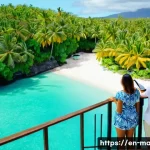
Imagine soaring above the breathtaking turquoise waters and lush volcanic landscapes of Mauritius, capturing those postcard-perfect moments from a drone’s eye view.
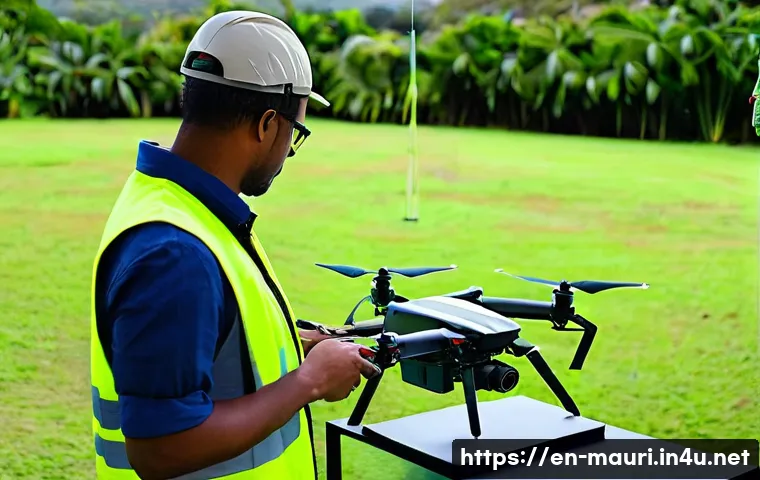
It’s a dream for many, myself included, to bring home incredible aerial footage from this island paradise. But before you pack your drone and get ready to launch, there’s something absolutely critical you need to know: Mauritius has recently updated its drone regulations, effective January 1, 2025, which can significantly impact your flight plans.
Navigating these rules can feel a bit complex, especially for travelers eager to explore every corner. So, let’s make sure you’re fully prepared to fly responsibly and legally, avoiding any unexpected hiccups during your unforgettable Mauritian adventure.
We’ll delve into the specifics and ensure you have all the essential information right here.
Navigating the New Skies: Mauritius Drone Regulations for 2025
Alright, fellow drone enthusiasts! If you’re anything like me, the thought of capturing the cascading waterfalls, pristine lagoons, and volcanic peaks of Mauritius from above is just incredibly exciting. But let me tell you, as of January 1, 2025, the game has changed a little. The Mauritian Civil Aviation Authority has rolled out some updated regulations, and trust me, getting familiar with them *before* you even pack your drone is going to save you a world of hassle. I’ve seen countless travelers get caught off guard by changing rules, and it’s truly a bummer to have your aerial dreams grounded due to a technicality. These new rules are all about ensuring everyone’s safety and privacy, making sure our incredible experiences don’t come at the expense of others or the environment. So, let’s get into the nitty-gritty so you can fly smart and stress-free.
The Shift in Drone Operations
What’s really different now is the emphasis on clarity and safety. The Civil Aviation (Unmanned Aircraft System) Regulations 2024 have been put into action, bringing a more structured approach to drone usage across the board. From my perspective, this is a good thing! It means clearer boundaries for us, which ultimately makes the skies safer for everyone – manned aircraft, wildlife, and people enjoying their holiday. You might feel a bit daunted by “regulations,” but think of them as guideposts. Knowing them upfront means you can plan your flights with confidence, avoiding any awkward conversations with local authorities. This new framework touches on everything from where you can fly to what paperwork you might (or might not) need.
Why These Updates Matter to Every Pilot
Honestly, understanding these updates isn’t just about avoiding a fine; it’s about respecting the local culture and contributing positively to your travel experience. I’ve always believed that responsible travel includes understanding and adhering to local laws, especially when it comes to technology like drones. The Mauritian authorities are keen on protecting their natural beauty and the tranquility for visitors and locals alike. For us, this translates into being extra mindful of no-fly zones and privacy. It’s about being a good global citizen while still capturing those breathtaking moments that make your trip unforgettable. Plus, let’s be real, no one wants their prized drone confiscated on vacation!
Flying for Fun: Understanding Recreational Drone Use
If you’re like me and just want to capture some stunning vacation footage for your personal memories, the good news is that Mauritius has significantly simplified things for recreational pilots under the new 2025 regulations! My initial thought was that there’d be endless hoops to jump through, but what I’ve found is a clear set of guidelines that, if followed, mean less bureaucracy for your holiday fun. You won’t typically need a special DCA (Department of Civil Aviation) permission or even registration for your drone if you stick strictly to these simplified rules. This is a huge relief, especially when you’re trying to pack light and avoid extra paperwork on your trip.
Simplified Rules for Your Leisure Flights
Now, while the red tape is minimal for recreational pilots, the rules for *how* and *where* you fly are super important. From my own experience, these are the points that often trip people up if they haven’t done their homework. Firstly, you absolutely must fly only during daylight hours, and the weather needs to be good and clear. No risky night flights or battling strong winds, please! Secondly, and this is a big one, recreational flying is generally restricted to private property, and only with the explicit permission of the owner. This means your resort, a private villa, or specific designated areas, but definitely not just anywhere you fancy. Always, always, make sure you have that permission squared away before you launch.
No Public Beaches? It’s a Reality Check!
Here’s a crucial point that I can’t stress enough: public beaches are strictly off-limits for recreational drone flights. I know, I know, the thought of getting that iconic shot of the turquoise waters meeting white sands from above is tempting, but Regulation 91C, paragraph 1C specifically states that recreational drones may NOT be flown “over any area to which the public has access,” and that includes ALL public beaches. This rule is frequently misunderstood by tourists, and trust me, it’s not worth the risk of a run-in with the authorities. My advice? Embrace the beauty from the ground at public spots and save your aerial shots for approved private locations. It helps everyone enjoy Mauritius peacefully and keeps you out of trouble.
Beyond the Horizon: Navigating No-Fly Zones and Restricted Areas
As much as we all dream of boundless aerial freedom, every paradise has its boundaries, and Mauritius is no exception when it comes to drone flying. Understanding the no-fly zones and restricted areas is paramount, not just for legal compliance but for safety too. I’ve personally made it a habit to check these areas thoroughly before even dreaming up a shot, because accidentally drifting into one could lead to serious consequences, not to mention ruining someone else’s peace or safety. It’s a bit like driving on the left in Mauritius; you just *have* to know it to avoid an accident!
Keeping Clear of Airports and Sensitive Sites
One of the most critical restrictions, as you might expect, is staying far away from airports. The regulations clearly state a significant perimeter, around 27 kilometers, where drone operations are strictly prohibited. This isn’t just a suggestion; it’s a non-negotiable safety measure to prevent any interference with commercial aircraft. Beyond airports, you also need to avoid sensitive government or military facilities, national parks, and other designated protected areas. These zones are usually clearly marked or indicated on official maps. My pro-tip? Always cross-reference your flight plans with the latest official maps from the Department of Civil Aviation (DCA) to avoid any surprises.
Altitude and Distance: Your Flight Ceilings
When you’re up in the air, it’s easy to get carried away by the stunning views, but remember your altitude limits! In Mauritius, the maximum altitude for drone flights is set at a firm 400 feet (approximately 120 meters) above ground level. This limit ensures you stay clear of commercial air traffic lanes. Furthermore, you need to maintain specific distances from people, structures, and congested areas. Never fly over people or large crowds, and keep at least 150 meters away from any congested area or an outdoor gathering of more than 500 people. A safe distance of 50 meters from any vessel, vehicle, or structure not under your control is also a must. It’s all about maintaining a bubble of safety around your drone, protecting everyone below.
The Commercial Sky: Permits, Pilots, and Professional Requirements
For those of you looking to use your drone for more than just personal holiday snaps – perhaps for professional photography, real estate, or film projects – then the rules shift significantly. This is where things get a bit more involved, and rightfully so, as professional operations carry greater responsibilities and potential impacts. I’ve gone through similar processes in other countries, and while it requires effort, securing the proper authorization ensures your work is legitimate and respected. You absolutely cannot just show up with a commercial drone and expect to fly; there’s a specific pathway to follow.
Obtaining Your Professional Permit
If you’re planning any aerial work, surveillance, or commercial ventures, you’ll need to obtain specific permits and authorizations from the Department of Civil Aviation (DCA). This isn’t just a quick form; it involves a comprehensive application process. You’ll need to register both yourself as a pilot and your drone, provide its technical specifications, and crucially, demonstrate that you have a recognized pilot certificate. This ensures that only competent and qualified individuals are conducting professional drone operations in Mauritian airspace. Don’t skip any steps here; the DCA is thorough, and I’ve learned that patience and meticulousness are your best friends in this process.
Insurance and Operational Manuals: The Essential Toolkit
Beyond pilot certification, commercial drone operations in Mauritius mandate third-party liability insurance coverage that specifically covers your operations on the island. This is non-negotiable and provides a safety net in case of any unforeseen incidents. Additionally, you’ll need to prepare an operational manual that outlines your various flight procedures, a bit like a detailed flight plan for every scenario. The DCA even provides a template to help you with this, which I found incredibly helpful when navigating similar regulations elsewhere. Finally, don’t forget ICTA (Information and Communication Technologies Authority) approval for your specific drone model. These requirements might seem like a lot, but they’re there to uphold high safety and professional standards.
Staying Safe and Sound: Essential Drone Operation Guidelines
Beyond all the permits and no-fly zones, there’s a universal truth about drone flying: safety first! Whether you’re a seasoned professional or a weekend hobbyist, adhering to fundamental safety guidelines is crucial. I always preach that a good pilot isn’t just someone who can fly well, but someone who flies responsibly and thoughtfully. These guidelines aren’t just about avoiding penalties; they’re about protecting yourself, your equipment, and the beautiful environment you’re flying in. Think of it as common courtesy in the sky, ensuring everyone can enjoy the peace and beauty of Mauritius.
Maintaining Visual Line of Sight (VLOS)
One of the golden rules for drone flying in Mauritius, applicable to pretty much everyone, is maintaining a direct and unaided visual line of sight (VLOS) with your drone at all times. This means no flying beyond what your eyes can clearly see, without relying on screens or binoculars. It’s about being fully aware of your drone’s position, trajectory, and any potential obstacles. I’ve personally seen pilots get so engrossed in their FPV (First Person View) feed that they lose track of the drone itself, leading to hairy situations. Always keep those eyes on the sky, my friends!
Respecting Privacy and the Environment
Mauritius is a serene island, and respecting the privacy of others is incredibly important. The drone regulations include strict provisions about not flying over private property without permission and generally avoiding areas where people expect privacy. This isn’t just a legal requirement; it’s a moral one. Nobody wants a drone buzzing over their private moment on a balcony or a quiet beach walk. Furthermore, be mindful of the local wildlife and natural environment. Avoid disturbing birds, especially in nesting areas, and ensure your flights don’t cause any environmental distress. Responsible flying contributes to the harmony of your visit and the preservation of this stunning destination.
The Paperwork Trail: Application Process and What to Expect
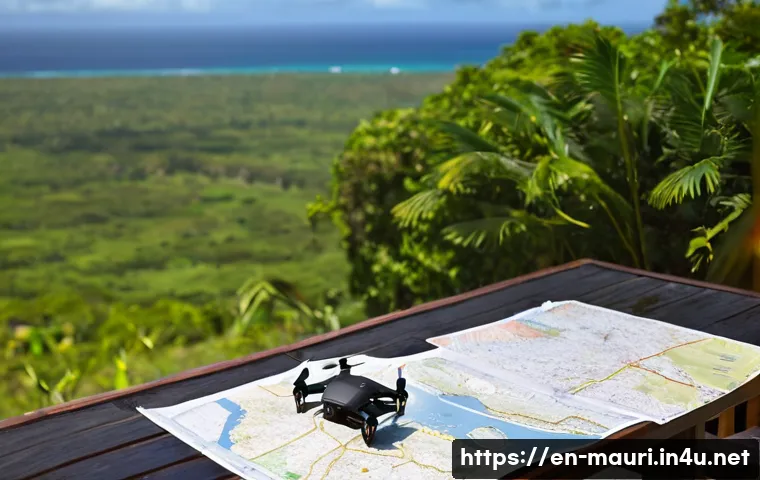
For those of you diving into commercial drone operations or needing special permissions, understanding the application process is key. It’s not just about filling out a form; it’s about providing comprehensive details that assure the Mauritian authorities of your professionalism and commitment to safety. I’ve often found that being overly prepared with documentation makes the process smoother, even if it feels a bit tedious at the outset. Remember, these steps are in place to manage complex operations, so clarity and completeness in your application are paramount.
Submitting Your Application
The first step involves gathering all the necessary documents. For professional use, this typically includes the DCA-RPA application form, your drone’s technical specifications, proof of comprehensive insurance, your pilot certificate, and ICTA approval for your drone. If you’re a foreign operator seeking temporary permission, you’ll be looking at a fee of around 6,000 Mauritian rupees. The forms are usually available on the official Civil Aviation website (civil-aviation.govmu.org), which should always be your first point of reference for the most current official documents. Once everything is meticulously compiled, you’ll submit your application, often via email, to the DCA.
Timeline and Follow-up
Now, here’s where a bit of patience comes in. The certificate authentication process and overall permit approval can take several weeks, sometimes even 1 to 2 months. My personal rule of thumb for any international permit is to apply at least two months before your planned operations – that buffer time is invaluable! Don’t expect instant approval; the authorities need time to review each application thoroughly. While waiting, resist the urge to constantly pester them. A polite follow-up email after a reasonable period is fine, but trust that they are working through the process. Planning ahead is truly the secret weapon here.
Avoiding Turbulence: Penalties and Responsible Drone Piloting
Let’s talk about the less fun but absolutely critical aspect of drone piloting: the consequences of not adhering to the rules. No one wants to face fines, legal action, or worse, have their drone confiscated during their dream trip to Mauritius. I’ve always viewed regulations not as obstacles, but as a framework that keeps everyone safe and ensures the longevity of drone-based photography and videography in stunning locations. Being a responsible pilot means understanding these penalties and, more importantly, proactively ensuring you never have to face them.
Understanding the Consequences of Non-Compliance
The penalties for violating drone laws in Mauritius can range depending on the severity of the offense. You could be looking at hefty fines, and in more serious cases, legal action might be taken. Perhaps the most heartbreaking consequence for any drone pilot is the confiscation of their equipment. Imagine flying all the way to paradise only to lose your drone! These aren’t just empty threats; they are serious repercussions designed to ensure compliance and protect the island’s environment and public safety. It’s always better to be safe than sorry, and a little preparation goes a long, long way.
Your Role in Sustainable Drone Tourism
As drone pilots, we hold a unique power to showcase the beauty of places like Mauritius from a perspective few get to see. With that power comes a responsibility to act as ambassadors for drone technology. By strictly following the regulations, respecting privacy, and being environmentally conscious, you’re not just avoiding penalties; you’re contributing to a positive perception of drones and helping to ensure that these breathtaking aerial opportunities remain open for future generations. It’s about more than just your flight; it’s about the bigger picture of sustainable tourism and respectful engagement with local communities and their laws. Let’s make sure our drone adventures leave nothing but amazing memories and stunning footage, not a trace of trouble!
| Aspect | Recreational Use (Simplified Rules) | Commercial/Professional Use |
|---|---|---|
| DCA Permission/Registration | Generally NOT required (if strict conditions met) | MANDATORY (drone and pilot registration, permits) |
| Pilot License/Certificate | NOT required for hobbyists | MANDATORY (recognized certification) |
| Insurance | Recommended, but NOT mandatory | MANDATORY (third-party liability) |
| Flight Time | Daylight hours ONLY | Daylight hours ONLY (Special permits for night flights) |
| Max Altitude | 120 meters (400 feet) | 120 meters (400 feet) |
| Flight Location | Private property with owner’s permission ONLY. NO public beaches. | Specific authorized locations. Requires operational manual & details |
| Distance from Airports | Minimum 27 km perimeter | Strictly restricted areas (e.g., 27 km perimeter) |
| Congested Areas/Crowds | NOT allowed over or within 150m | NOT allowed over or within 150m |
| Privacy | MANDATORY to respect | MANDATORY to respect |
| Application Processing | N/A | 1-2 months recommended |
Wrapping Things Up
And there you have it, fellow adventurers! Navigating the skies of Mauritius with your drone in 2025 doesn’t have to be a daunting task. While the regulations have certainly evolved, I truly believe these changes are for the better, ensuring that this island paradise remains just that – a paradise for everyone, both on the ground and in the air. My hope is that by understanding these rules thoroughly, you’ll not only avoid any hiccups but also enhance your entire Mauritian experience. It’s all about being a considerate traveler and a responsible pilot, embracing the local laws as part of your journey. So, go forth, capture those breathtaking moments, and create memories that will last a lifetime, all while keeping the Mauritian skies safe and serene!
Handy Tips for Your Drone Adventures
1. Always double-check the very latest regulations on the official Mauritian Civil Aviation website (civil-aviation.govmu.org) just before your trip, as rules can occasionally be updated. This is my absolute go-to for any international drone travel. It’s like checking the weather before a flight!
2. Consider joining local drone pilot forums or social media groups dedicated to Mauritius. You might get real-time advice and insights from other pilots who are currently flying on the island. The local community often has invaluable tips that aren’t always written down.
3. Pack a high-quality, durable case for your drone to protect it from the elements and potential bumps during transit and storage. The tropical climate can be harsh, and a good case is an investment in your drone’s longevity, trust me on this one!
4. Always carry a printed or digital copy of the key regulations and any permits you’ve obtained. Having them readily accessible can save a lot of time and explanation if you encounter authorities or curious locals. Being prepared shows respect and professionalism.
5. Invest in a good quality portable power bank for charging your drone batteries and controller. You don’t want to run out of juice in a remote, picturesque location. Extra batteries are also a must-have for maximizing your flight time and capturing every angle.
Key Takeaways for Your Mauritian Drone Flight
Alright, let’s distill the essentials for your drone journey in Mauritius. For recreational pilots like many of us, the fantastic news is that a DCA permission isn’t typically needed, provided you stick to flying during daylight hours on private property with explicit owner permission, and crucially, *never* over public beaches or crowds. If your plans involve commercial operations, that’s where the formal process kicks in, requiring pilot and drone registration, comprehensive insurance, and dedicated permits – so be ready for a thorough application! Regardless of your purpose, adhering to the 120-meter (400 feet) altitude limit, maintaining visual line of sight, and staying a significant distance from airports and sensitive areas are non-negotiable for everyone. Remember, respecting privacy, being environmentally conscious, and understanding the potential penalties for non-compliance are not just legal obligations, but truly embody responsible drone piloting. Your amazing shots will be even more rewarding knowing you’ve flown smart, safe, and respectfully!
Frequently Asked Questions (FAQ) 📖
Q: What are the absolute must-know changes to Mauritius’ drone regulations for travelers, especially considering they just updated on January 1, 2025?
A: Oh, this is a question I hear a lot, and it’s a super important one for anyone dreaming of capturing Mauritius’ incredible beauty from above! Trust me, the new Civil Aviation (Unmanned Aircraft System) Regulations 2024, which officially kicked in on January 1, 2025, are a game-changer.
The biggest takeaway for us recreational flyers, those of us just wanting some stunning vacation footage, is that while drone use is still permitted, it’s now governed by a much clearer framework.
The Mauritian authorities are all about ensuring safety and respecting privacy, which I totally get. So, what does this mean for your trip? You’ll find specific guidelines on where and how you can fly, focusing heavily on keeping people safe and respecting those breathtaking natural spaces.
The rules are designed to be quite robust, mirroring some international standards, to ensure that everyone, from seasoned pilots to first-time fliers, understands their responsibilities.
It’s all about informed flying, my friends.
Q: So, does this mean I need to register my drone or get a special permit to fly it recreationally during my Mauritius vacation?
A: This is probably the most common question I get from fellow travelers planning a Mauritian drone adventure, and for good reason! There was a bit of confusion initially, but here’s the good news, straight from my own research and what I’ve heard from other pilots on the ground: for purely recreational or leisure use, you generally do NOT need to register your drone with the Department of Civil Aviation (DCA), nor do you need to obtain a specific permit or pay fees for flying.
This is a huge relief, isn’t it? You can simply bring your drone and enjoy your flights. However, and this is a big “however,” this simplified approach comes with strict adherence to certain operational rules.
If you’re planning any kind of commercial work, surveillance, or flying a heavier drone, then yes, you’ll absolutely need to go through the registration and permitting process.
But for your typical holiday snaps and videos, breathe easy – just focus on knowing and following those flight rules!
Q: What are the biggest ‘no-go’ zones or flight restrictions I should be aware of to ensure I’m flying legally and respectfully in Mauritius?
A: Alright, this is where the rubber meets the road, and honestly, understanding these ‘no-go’ zones is crucial for a stress-free drone experience in paradise.
From my personal experience, the number one rule you absolutely, positively MUST remember is this: recreational drones are STRICTLY prohibited from flying over any area to which the public has access, and this includes ALL public beaches!
I know, I know, those iconic drone shots of white sand and turquoise water are tempting, but it’s a firm no. This one detail trips up so many tourists, so please, engrave it in your memory.
Beyond that, you’ll need to keep your drone within your visual line of sight at all times and below an altitude of 400 feet (about 120 meters). Always maintain a safe distance from people, typically at least 30 to 50 meters, and avoid any congested areas or large gatherings.
And it goes without saying, but stay well clear of airports and sensitive government or military facilities – these are absolute no-fly zones. Respecting privacy is also paramount, so be mindful of where your camera is pointing.
By keeping these simple yet vital rules in mind, you’ll ensure your drone adventure in Mauritius is both unforgettable and completely legal!