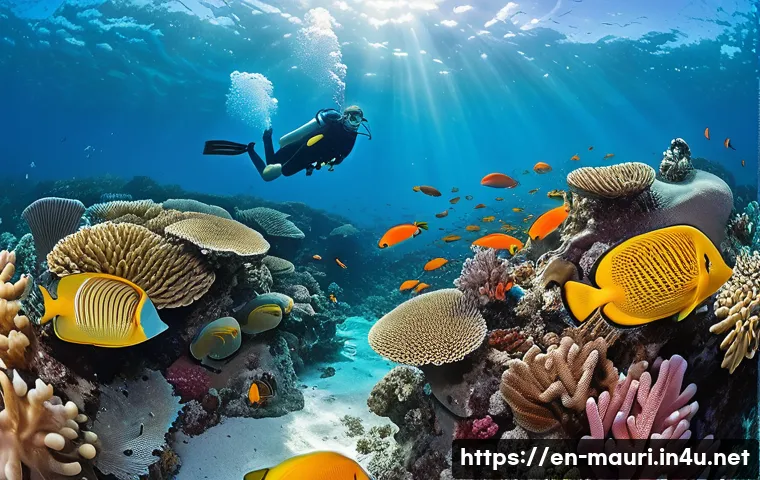
Nestled along the pristine shores of Mauritius, Blue Bay Marine Park offers an extraordinary underwater world that captivates every visitor. This marine sanctuary is renowned for its crystal-clear waters, vibrant coral reefs, and diverse marine life, making it a paradise for snorkelers and nature lovers alike.
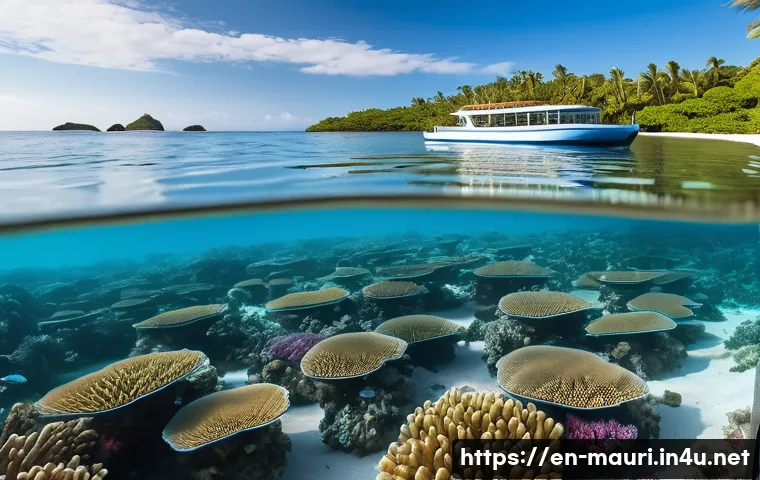
Whether you’re exploring colorful fish or simply soaking in the serene ocean views, Blue Bay promises an unforgettable experience. Its commitment to conservation also highlights the importance of protecting these delicate ecosystems.
Ready to dive deeper into what makes this marine park so special? Let’s explore the details together!
Exploring the Vibrant Coral Gardens
Immersive Snorkeling Adventures
When you first dip into the waters surrounding this marine sanctuary, you’re instantly greeted by an explosion of colors beneath the surface. Snorkeling here feels like stepping into a living aquarium, where every turn reveals a new cluster of corals teeming with life.
The visibility is exceptional—often exceeding 20 meters—allowing you to admire intricate coral formations and their tiny residents with crystal clarity.
I remember floating above a bed of staghorn coral, watching anemonefish dart in and out of their protective homes; it was mesmerizing and felt almost surreal.
The gentle current carries you along effortlessly, making the experience accessible even for beginners.
Coral Species Diversity and Health
What’s truly remarkable is the sheer diversity of coral species thriving in this area. Hard corals like brain coral, table coral, and elkhorn coral dominate the landscape, providing essential habitats for countless marine creatures.
Soft corals add a splash of pastel hues, waving gracefully with the ocean’s rhythm. The park’s ongoing conservation efforts have played a vital role in preserving these reefs, especially in the face of climate change and coral bleaching events worldwide.
Personally, seeing the resilience of these corals up close reinforced how delicate yet tenacious marine ecosystems can be.
Tips for Responsible Reef Exploration
If you plan to visit, it’s important to respect the environment to keep these coral gardens thriving. Avoid touching or standing on corals, as even slight contact can damage them.
Use reef-safe sunscreen to prevent harmful chemicals from leaching into the water. I found that using a floating strap for my snorkeling gear helped me stay buoyant without accidentally kicking the reef below.
Joining guided tours with local experts not only enriches your understanding but also ensures minimal impact on the habitat. Protecting this underwater paradise is a shared responsibility, and every small action counts.
Encounters with Diverse Marine Life
Colorful Fish Species You Can Spot
Swimming through these waters means sharing space with an incredible variety of fish species. From tiny damselfish and vivid butterflyfish to the more elusive lionfish and parrotfish, the diversity is breathtaking.
One of my favorite moments was spotting a school of sergeant majors gliding in synchronized harmony, their bright stripes flashing under the sunlit water.
The park’s healthy ecosystem supports both juvenile and adult fish, creating a dynamic environment where you can observe fascinating behaviors like feeding frenzies or territorial displays.
For underwater photographers, this is a dream come true.
Other Marine Residents Beyond Fish
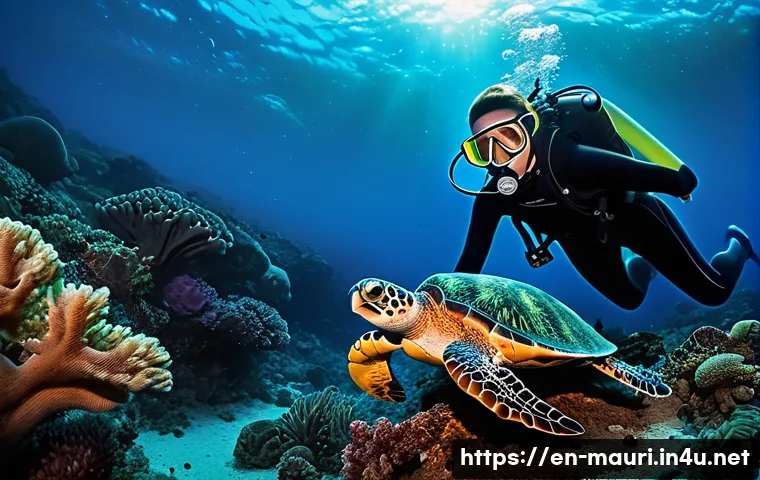
Beyond fish, the marine park hosts an array of creatures that add to its charm. Sea turtles are frequent visitors, gracefully navigating the reefs as if they own the place.
I was lucky enough to witness a hawksbill turtle nibbling on sponge-covered rocks, its slow and deliberate movements captivating. You might also encounter sea urchins, starfish, and even the occasional octopus camouflaging against the seabed.
The diversity extends to the tiny invertebrates, which contribute to the reef’s overall health and complexity. Observing these interactions made me appreciate the interconnectedness of marine life on a deeper level.
Seasonal Changes and Wildlife Activity
The marine park’s wildlife isn’t static; it shifts with the seasons. During certain months, you might see an influx of juvenile fish seeking shelter in the coral thickets, while other times bring seasonal visitors like migratory rays or rare species.
I noticed that early mornings tend to be quieter, offering a more intimate encounter with shy creatures, whereas afternoons buzz with activity as fish forage actively.
Understanding these patterns helped me plan visits to maximize wildlife sightings. For those interested in marine biology, this dynamic environment offers endless opportunities to learn and observe natural rhythms firsthand.
Conservation Efforts and Community Involvement
Marine Protection Initiatives
This marine sanctuary isn’t just a beautiful spot for visitors; it’s a beacon of conservation success. Local authorities and environmental organizations have implemented strict regulations to safeguard the area, including fishing bans and controlled visitor access.
I was impressed by the visible presence of park rangers conducting regular patrols to enforce these rules and educate tourists. These measures have significantly reduced human impact, allowing coral reefs and marine populations to recover and thrive.
It’s inspiring to see how effective management can make a tangible difference in preserving natural treasures.
Community Engagement and Education
What sets this park apart is its strong connection to the local community. Educational programs engage residents and visitors alike, fostering a sense of stewardship for the marine environment.
I had the chance to attend a beach cleanup event organized by local schools, where children enthusiastically learned about the importance of reducing plastic pollution.
This grassroots involvement helps sustain long-term conservation goals by nurturing future generations’ respect for the ocean. Knowing that the community actively participates in protecting these waters adds a layer of authenticity and hope to the park’s story.
Research and Monitoring Programs
Behind the scenes, scientists and conservationists conduct ongoing research to monitor the health of the marine ecosystem. Data collected on coral bleaching, fish populations, and water quality inform adaptive management strategies.
I found it fascinating to learn about coral restoration projects that involve growing coral fragments in nurseries before replanting them on damaged reefs.
This hands-on approach is crucial in combating global threats like climate change. Sharing these insights during guided tours enriches the visitor experience by highlighting the complexity and urgency of marine conservation.
Planning Your Visit: Practical Information
Best Times to Explore the Waters
Choosing the right time to visit can make all the difference in your experience. Generally, the dry season from May to November offers calm seas and excellent visibility, perfect for snorkeling and diving.
I personally found early mornings to be magical, with softer light and fewer crowds enhancing the sense of tranquility. Avoiding peak tourist months not only improves your encounter with nature but also helps reduce strain on the ecosystem.
Checking local weather forecasts and tide schedules beforehand ensures you get the best conditions for underwater exploration.
Facilities and Access Points
Access to the marine area is well-organized, with several entry points offering amenities like parking, showers, and equipment rentals. I appreciated the availability of guided tours that include transportation and professional guides who know the reefs intimately.
There are also picnic spots and shaded areas nearby for relaxing after your swim. If you’re bringing your own gear, make sure to rinse it with fresh water after use to maintain its condition.
The infrastructure is designed to balance visitor comfort with environmental preservation, which I found thoughtfully managed.
What to Bring and Safety Tips
Preparing adequately can elevate your visit from good to unforgettable. Besides standard snorkeling gear, packing a waterproof camera allows you to capture those vivid underwater moments.
Wearing a rash guard protects against sunburn and accidental scrapes from corals. Hydration is key, so bring plenty of water, especially if you plan to spend several hours outdoors.
Safety-wise, always swim with a buddy and stay within designated zones to avoid hazards like strong currents or boat traffic. I learned that respecting these precautions not only protects you but also helps preserve the delicate balance of the marine environment.
Unique Experiences Beyond Snorkeling
Glass-Bottom Boat Tours
If you’re not keen on getting wet, glass-bottom boat tours offer a fantastic alternative to witness the underwater wonders. Sitting comfortably above the water, you can gaze through clear panels to see the vibrant coral formations and marine life without any effort.
I took one of these tours during a rainy afternoon and was amazed at how vivid the colors appeared through the glass, almost like a live documentary. It’s a great option for families with young children or anyone who prefers a more relaxed way to connect with the ocean’s beauty.
Nighttime Marine Life Exploration
For the adventurous, nighttime snorkeling or diving reveals a completely different facet of the marine park. Many creatures become more active after dark, including bioluminescent plankton that light up the water like stars.
I tried a guided night dive and was stunned by the surreal glow and the nocturnal behaviors of fish and invertebrates. It’s an otherworldly experience that demands careful preparation and respect for the environment but rewards with unforgettable memories.
These excursions also highlight the importance of protecting marine habitats round the clock.
Photography Tips for Capturing the Magic
Capturing the essence of this underwater paradise can be challenging but immensely rewarding. Using natural light during mid-morning hours brings out the best colors, while a wide-angle lens helps encompass sweeping coral landscapes.
I found that steady, slow movements underwater prevent disturbing marine life and improve shot quality. Post-processing to enhance contrast and saturation can bring your images closer to what your eyes witnessed.
Sharing these photos later not only preserves your memories but also inspires others to appreciate and protect these fragile ecosystems.
Marine Park Visitor Impact and Sustainability
Balancing Tourism and Preservation
Tourism is vital for local economies but can pose risks to sensitive environments. The park’s management employs strategies like visitor caps and designated snorkeling zones to minimize damage.
From my experience, adhering to these guidelines felt like a small price to pay for the privilege of witnessing such beauty. Sustainable tourism here means enjoying nature responsibly, ensuring future generations can have the same awe-inspiring encounters.
The balance between access and protection is delicate but achievable with collective effort.
Waste Reduction and Eco-Friendly Practices
Visitors are encouraged to minimize waste and avoid single-use plastics during their visit. I noticed ample signage reminding people to take their trash with them and use refill stations for water bottles.
Local businesses have embraced eco-friendly alternatives, such as biodegradable packaging and reusable gear rentals. These initiatives not only reduce pollution but also raise awareness about environmental stewardship.
Participating in these practices made me feel more connected to the conservation mission, turning a leisure trip into a meaningful contribution.
Long-Term Benefits for Local Communities
Sustainable management of the marine park benefits not just the environment but also the people living nearby. Healthy reefs support fisheries, which many locals depend on for livelihood.
Tourism revenue funds education and healthcare, creating a positive cycle of development tied to environmental health. During conversations with locals, I sensed pride in their role as guardians of this natural treasure.
Supporting community-based tourism and conservation projects ensures that economic gains align with ecological preservation, fostering resilience for years to come.
| Aspect | Description | Visitor Tips |
|---|---|---|
| Coral Visibility | Often exceeds 20 meters due to calm, clear waters | Visit during dry season (May-November) for best clarity |
| Common Marine Species | Staghorn coral, brain coral, sea turtles, butterflyfish, lionfish | Use reef-safe sunscreen and avoid touching wildlife |
| Access Facilities | Multiple entry points with showers, equipment rentals, guided tours | Book guided tours for expert knowledge and minimal impact |
| Conservation Rules | Fishing bans, visitor limits, patrol enforcement | Follow park guidelines strictly to support preservation |
| Alternative Activities | Glass-bottom boat tours, night snorkeling, underwater photography | Try different activities to experience the park fully |
Conclusion
Exploring vibrant coral gardens offers an unforgettable glimpse into a thriving underwater world full of color and life. Respectful interaction and awareness of conservation efforts enhance both your experience and the ecosystem’s health. Whether snorkeling, diving, or simply observing from a glass-bottom boat, every moment connects you closer to nature’s delicate beauty. Embracing these unique encounters inspires a deeper commitment to protecting our oceans for generations to come.
Useful Information to Remember
1. The best time to visit is during the dry season, from May to November, for calm waters and excellent visibility.
2. Always use reef-safe sunscreen and avoid touching corals or marine life to protect the fragile ecosystem.
3. Guided tours offer expert knowledge and help minimize environmental impact, making your visit more rewarding.
4. Bring essentials like a waterproof camera, plenty of water, and sun protection to stay comfortable and safe.
5. Consider alternative activities like glass-bottom boat tours or night snorkeling for diverse marine experiences.
Key Takeaways
Responsible tourism is essential to preserving coral reefs and marine biodiversity. Following park rules, such as fishing restrictions and designated swimming areas, helps maintain a balanced ecosystem. Community involvement and ongoing research play vital roles in sustaining conservation efforts. By choosing eco-friendly practices and supporting local initiatives, visitors contribute meaningfully to the health of these underwater habitats. Remember, every small action counts toward safeguarding this natural treasure for the future.
Frequently Asked Questions (FAQ) 📖
Q: What makes Blue Bay Marine Park unique compared to other marine parks?
A: Blue Bay Marine Park stands out due to its exceptionally clear waters and the vibrant, healthy coral reefs that thrive there. Unlike many other spots, the park boasts a rich variety of marine life, including colorful fish species that are easily visible even to beginner snorkelers.
From my own visit, the feeling of being surrounded by such untouched natural beauty was truly magical. Plus, the park’s strong focus on conservation ensures that this ecosystem remains protected, which is something you can actually feel in the water—there’s a real sense of harmony and care.
Q: Is Blue Bay Marine Park suitable for beginners who want to snorkel?
A: Absolutely! The calm, shallow waters of Blue Bay Marine Park make it an ideal spot for beginners. When I first tried snorkeling there, I was amazed at how easy it was to see the underwater world without feeling overwhelmed.
The visibility is fantastic, and the gentle current means you can relax and enjoy watching the marine life without stress. Plus, there are local guides who offer friendly advice and safety tips, which really helped me feel confident even as a newbie.
Q: How does Blue Bay Marine Park contribute to marine conservation efforts?
A: Blue Bay Marine Park plays a crucial role in protecting its delicate marine ecosystems through strict regulations and ongoing conservation projects. During my visit, I learned that the park limits activities that could damage coral reefs or disturb wildlife, such as anchoring boats directly on reefs or overfishing.
They also conduct regular monitoring and educational programs to raise awareness among visitors and locals alike. This commitment not only preserves the park’s natural beauty but also supports the long-term health of Mauritius’s coastal environment.