Stepping inside the Mauritius National Museum, I immediately felt a profound connection to the island’s rich, vibrant past. It’s more than just a collection of artifacts; it’s a living narrative woven through centuries, showcasing everything from the elusive dodo’s unfortunate tale to the complex tapestry of cultures that define modern Mauritius.
Every exhibit whispers stories of exploration, resilience, and unique biodiversity, truly making you realize the island’s pivotal role in the Indian Ocean’s history.
It isn’t merely a place to observe; it’s an immersive journey, pulling you into the very soul of this incredible nation, allowing you to walk through time.
In an era where digital engagement reigns supreme, institutions like the Mauritius National Museum are evolving, bridging traditional curation with innovative, interactive experiences.
Imagine immersive displays that bring the island’s geological formation to life or virtual reality tours exploring ancient trade routes and their lasting impact.
The future of cultural heritage lies in making history not just accessible, but vibrantly relevant to younger generations, fostering a deeper appreciation for their roots and the delicate ecosystems that surround them, even as global shifts challenge traditional notions of preservation.
Let’s get precise details.
Echoes of Extinction: The Dodo’s Enduring Legacy
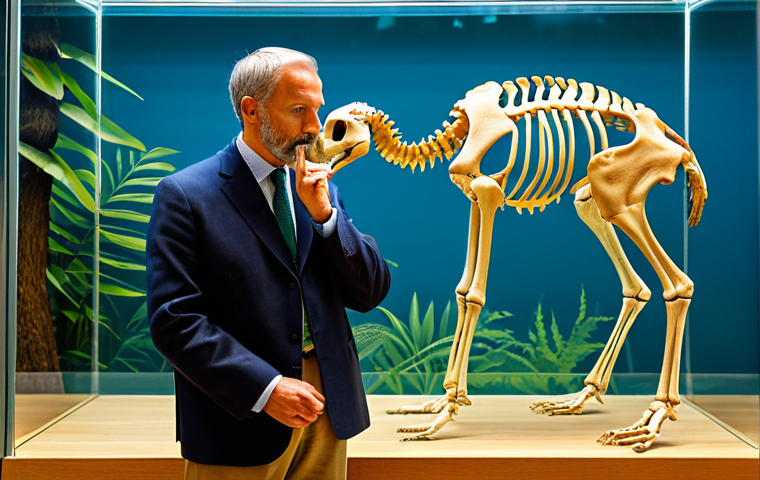
Stepping into the section dedicated to the dodo, I felt a peculiar mix of melancholy and wonder. It wasn’t just a skeleton behind glass; it was a powerful, poignant symbol of humanity’s impact on nature, and Mauritius’s unique place in this unfolding story.
The exhibits didn’t just tell you about the dodo; they made you feel its presence, almost hear its forgotten call across the island’s ancient forests.
I remember thinking how this flightless bird, once abundant, became a stark reminder of what we stand to lose, and how its tale, tragically short, forever cemented Mauritius in the global conversation about conservation.
It’s a testament to the museum’s ability to transcend mere factual presentation and truly evoke an emotional response, grounding historical loss in a very real, tangible experience for the visitor.
The detailed displays, from early sketches to recreated habitats, helped me grasp the full scope of this iconic creature’s life and its swift, heartbreaking disappearance.
The Dodo’s Unfolding Story: A Scientific and Cultural Icon
The dodo isn’t just an animal; it’s a narrative woven into the very fabric of Mauritian identity and global ecological awareness. Seeing the actual skeletal remains, meticulously reconstructed, brought a chill to my spine.
It felt like a direct connection to a creature that once roamed these very lands, oblivious to the impending arrival of humans and their devastating impact.
This section also explores the scientific pursuit of understanding the dodo, from early European accounts that painted it as a clumsy, oddity to modern paleontological efforts that reveal its true evolutionary lineage and ecological role.
The museum thoughtfully presents how this bird, once seen as a mythical beast, became a subject of serious scientific inquiry, helping to shape our understanding of island biogeography and the rapid extinction events that can occur due to human intervention.
It really hammered home for me the responsibility we carry towards preserving the species that still grace our planet.
Lessons from Loss: Conservation in the Mauritian Context
While the dodo represents a tragic loss, its story paradoxically fuels a vibrant conservation ethic on the island. I saw how the museum leverages the dodo’s narrative to highlight ongoing efforts to protect Mauritius’s unique endemic species, many of which are critically endangered.
It’s not just about lamenting the past but actively engaging with the present challenges. This includes exhibits on the Mauritian kestrel, the pink pigeon, and various endemic plants, showcasing successful recovery programs and the dedication of local conservationists.
What struck me most was the sense of hope amidst the historical warning. The museum effectively communicates that while one battle was lost, countless others are being fought and won right now, demonstrating a powerful commitment to safeguarding the island’s unparalleled biodiversity.
It made me feel like I was witnessing a living, breathing commitment to environmental stewardship.
A Kaleidoscope of Cultures: Weaving Mauritian Identity
Walking through the cultural exhibits, I was struck by the incredible tapestry of human stories that have shaped Mauritius. It’s not just one culture, but a vibrant mosaic of influences from Africa, Asia, and Europe, each contributing a unique thread to the island’s identity.
From the intricate spice routes that brought traders to its shores to the diverse communities that settled here, building lives and traditions, every display was a window into the dynamic process of creolization.
I could almost hear the various languages, taste the fusion of cuisines, and feel the rhythm of different music styles that have blended harmoniously over centuries.
It truly felt like stepping into a living history book, where each artifact, each photograph, spoke volumes about the resilience, adaptability, and ultimate unity of the Mauritian people.
The museum really excels at making this complex historical journey both accessible and deeply personal.
From Arrival to Integration: The Making of a Nation
This section meticulously traces the various waves of migration that have formed Mauritian society, starting with the Dutch, then the French, followed by British rule, and crucially, the arrival of enslaved people from Africa and indentured laborers from India and China.
Seeing the tools, clothing, and personal effects of these early settlers, I felt a deep sense of empathy for their journeys and hardships. But more importantly, I witnessed the incredible spirit of adaptation and cultural synthesis.
It’s a powerful narrative of how disparate groups, often arriving under duress, managed to forge a common identity, creating new languages, spiritual practices, and social structures.
The museum doesn’t shy away from the complexities of this history, presenting a balanced view of both the challenges and the remarkable achievements in building a cohesive society.
It’s a narrative that resonates deeply, reminding us of humanity’s capacity to overcome adversity and build something new.
Celebrating Diversity: Festivals, Food, and Folklore
One of the highlights for me was the vibrant display on Mauritian festivals and traditions. It wasn’t just static information; the exhibits, through colorful costumes, musical instruments, and interactive videos, brought the island’s living culture to life.
I learned about Diwali, Eid, Chinese New Year, and Christmas, all celebrated with unique Mauritian flair. The section on local cuisine made my mouth water, describing how Indian curries merged with French sauces, African stews, and Chinese noodles to create a truly unique culinary landscape.
It underscored how food, often overlooked in historical narratives, plays a crucial role in cultural preservation and expression. The folklore exhibits, with their captivating stories and mythical creatures, offered a glimpse into the collective imagination of the island, cementing my understanding of Mauritius as a place where diverse heritages are not just tolerated but genuinely celebrated.
The Maritime Saga: Mauritius as a Jewel of the Indian Ocean
As I moved through the maritime exhibits, I gained a profound appreciation for Mauritius’s strategic importance throughout history. It wasn’t just a secluded island paradise; it was a pivotal waypoint, a crucial hub in the vast networks of trade, exploration, and naval power that crisscrossed the Indian Ocean.
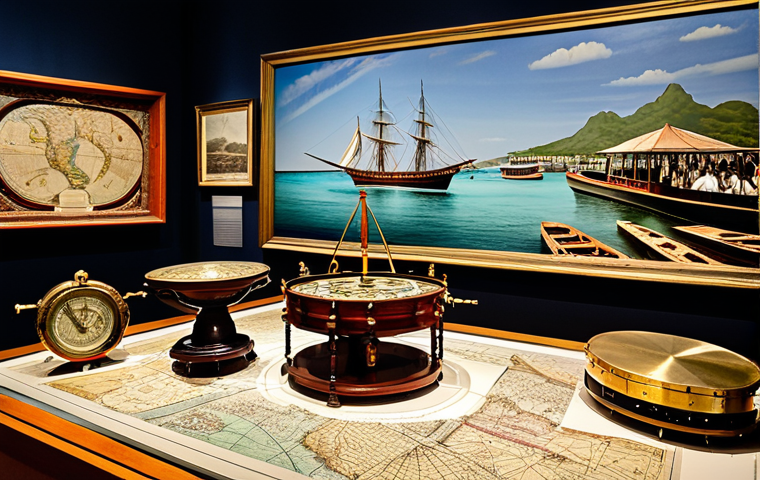
The displays of old maps, navigation instruments, and ship models truly transported me back to an era of grand voyages and fierce colonial rivalries. I felt a sense of awe imagining the immense distances covered by these early sailors and the sheer bravery it took to navigate these treacherous waters.
The museum meticulously details how the island’s natural harbors and fertile lands made it an irresistible prize for European powers, transforming it into a vital link between East and West.
This historical context really enriched my understanding of why Mauritius developed its unique cultural blend, as it was a meeting point for so many different peoples and ideas.
Pirates, Privateers, and Naval Dominance: Battles for the Blue
This section was thrilling! It detailed the dramatic sagas of pirates like La Buse and Robert Surcouf, who roamed these waters, and the fierce naval battles between the French and British fleets for control of the island.
The museum uses vivid accounts and even replica weaponry to bring these swashbuckling tales to life. I learned about the strategic importance of Port Louis and its role as a resupply point for ships traversing the Cape Route.
It’s a reminder that beneath the tranquil surface of today’s Mauritius lies a history of intense conflict and strategic maneuvering. I particularly enjoyed seeing the detailed models of the ships that engaged in these epic confrontations, giving a tangible sense of the scale and ambition of these maritime powers.
It was a fascinating deep dive into a lesser-known aspect of the island’s past, revealing its significant geopolitical role.
Sugar and Spice: The Economic Heartbeat of the Island
The displays on the sugar industry were incredibly insightful, showing how this single crop shaped the island’s economy, society, and landscape for centuries.
From the arduous labor of sugar cane cultivation to the sophisticated processing in the mills, the museum traces the journey of sugar from a luxury item to a global commodity.
I saw artifacts related to sugar production, including old machinery and tools, which painted a vivid picture of the lives of the workers. This section also touched upon the trade in spices, timber, and other exotic goods that passed through Mauritian ports, cementing its status as a critical node in the Indian Ocean’s economic web.
The museum expertly connects these economic narratives to the human stories of those who toiled and traded, making it far more than just a dry historical account.
It helped me understand the profound impact of global commerce on a local scale.
Curating Tomorrow: Embracing Innovation in Heritage Preservation
The latter part of my visit, building on the initial thoughts, really highlighted the museum’s forward-thinking approach to cultural preservation. It wasn’t just about static exhibits; it was clear that the institution is actively engaging with modern technologies and interpretive methods to make history more vibrant and accessible to contemporary audiences, especially the younger generation who grew up with digital interfaces.
I noticed several interactive touchscreens and virtual reality elements seamlessly integrated into traditional displays, which immediately caught my attention.
This commitment to innovation is crucial, in my opinion, because it ensures that the museum remains a dynamic, relevant space, rather than just a dusty relic of the past.
It felt like the museum understands that to truly connect with people today, it has to meet them where they are – on their devices, with immersive experiences that transcend simple observation.
Digital Pathways: Engaging the Next Generation
The museum’s efforts to incorporate digital storytelling are commendable. Imagine a holographic projection of a dodo, or a virtual reality headset that transports you to a bustling Port Louis market from the 18th century!
While these might be future aspirations for some sections, the existing digital kiosks with multilingual information and interactive games designed for children were a testament to their commitment.
This shift is vital for engaging younger visitors who are accustomed to information being readily available and presented in dynamic ways. It’s not just about passively viewing; it’s about participating, discovering, and interacting with history on a deeper, more personalized level.
I believe this innovative approach is key to fostering a lasting appreciation for heritage and ensuring that the stories of Mauritius continue to be told for generations to come.
It truly felt like they were building bridges between past and present.
Beyond the Walls: Community Outreach and Global Dialogue
I also learned about the museum’s extensive community outreach programs, which go beyond merely displaying artifacts. They actively engage with local schools, organize workshops on traditional crafts, and even host debates on contemporary issues through the lens of history.
This commitment to becoming a true community hub, rather than just a tourist attraction, deeply impressed me. Furthermore, their participation in international conservation efforts and collaborations with global institutions positions them as a thought leader in heritage preservation.
It’s a powerful statement that a small island nation can play a significant role in global cultural dialogue, sharing its unique story and learning from others.
This holistic approach, integrating local engagement with global perspectives, demonstrates a robust vision for the future of cultural institutions, proving that a museum can be a living, breathing part of society.
| Aspect of Mauritian Heritage | Key Features & Significance | Personal Takeaway / Impression |
|---|---|---|
| The Dodo | Iconic extinct bird; symbol of conservation; endemic to Mauritius. | A powerful, poignant reminder of loss, yet also a beacon for future conservation efforts. Its story resonates deeply. |
| Cultural Diversity | Blend of African, Indian, Chinese, and European influences; creolization. | The vibrant fusion of traditions, languages, and cuisines is incredibly rich and unique. It’s truly a melting pot where differences harmonize. |
| Maritime History | Strategic Indian Ocean hub; trade routes, piracy, colonial battles. | Underlined the island’s critical geopolitical role, far beyond its size, shaping global commerce and power dynamics for centuries. |
| Conservation Efforts | Focus on endemic species preservation (e.g., kestrel, pink pigeon). | Inspiring commitment to protect the island’s unique biodiversity, showing that positive change is possible even after past losses. |
| Museum Innovation | Integration of digital displays, interactive elements, community programs. | A clear vision for making history relevant and engaging for modern audiences, especially younger generations. A dynamic institution. |
The Island’s Geological Tapestry: Birth from Volcanic Fury
Before humans ever set foot on Mauritius, the island itself was born from an extraordinary geological ballet of fire and water. Walking through the museum’s geological exhibits, I felt an almost primal connection to the very forces that sculpted this land.
It wasn’t just about rocks and minerals; it was a dramatic narrative of immense volcanic eruptions, the slow cooling of lava, and the relentless shaping by wind and sea over millions of years.
Understanding this violent yet creative birth gave me a completely new perspective on the island’s unique landscape, from its towering peaks to its fertile plains and the intricate coral reefs that protect its shores.
It made me realize that the island’s history stretches far beyond human memory, back to a time when only the most powerful natural forces held sway, creating the very foundation upon which all life here would eventually flourish.
From Fiery Core to Lush Paradise: The Evolution of a Landscape
The museum effectively illustrates the dramatic stages of Mauritius’s formation, beginning with its emergence as a shield volcano from the ocean depths.
I was particularly fascinated by the displays showing the different types of volcanic rock and how they contributed to the island’s rich soil, perfect for agriculture.
This section also explores the subsequent erosion and shaping by natural elements, leading to the formation of its distinctive mountains, waterfalls, and coastal features.
It’s a testament to the planet’s incredible power of creation and transformation, laying the groundwork for the unique ecosystems and biodiversity that would later thrive here.
It made me appreciate every peak and valley I saw on the island even more, knowing the tumultuous history behind their existence.
The Underwater World: Reefs, Lagoons, and Marine Biodiversity
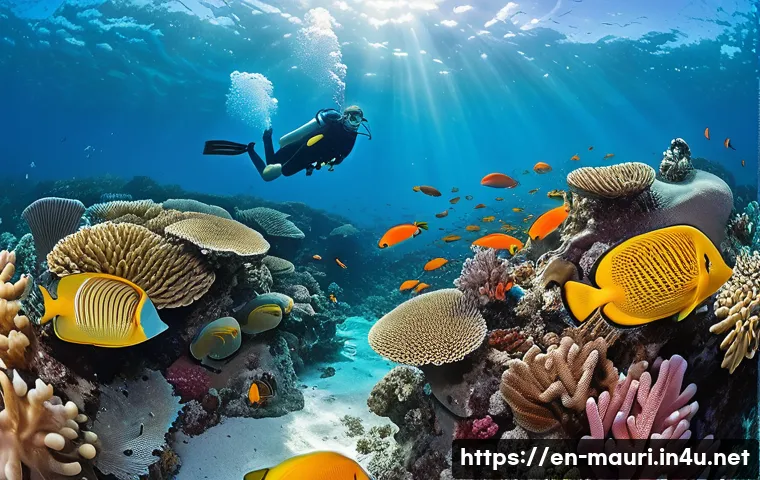
Beyond the land, the museum also dives deep into Mauritius’s incredible marine geology and biodiversity. I learned about the formation of the coral reefs that encircle the island, acting as natural barriers and vibrant ecosystems.
The exhibits highlighted the delicate balance of these underwater worlds, teeming with diverse fish, corals, and other marine life. It emphasized the critical role these reefs play in protecting the coastline and sustaining local livelihoods.
Seeing the intricate structures of different coral species and learning about their slow growth rates underscored the importance of marine conservation efforts.
It left me with a profound sense of wonder for the unseen world beneath the waves and a renewed commitment to support its preservation.
Agricultural Roots and Industrial Revolutions: Shaping the Land and Labor
The journey through Mauritius’s agricultural and industrial history truly opened my eyes to how deeply the island’s economy and social structure were shaped by the cultivation of a single crop: sugar cane.
It wasn’t just about sweetening tea; it was about massive plantations, intricate irrigation systems, and the immense human labor that powered this industry for centuries.
I could almost feel the heat of the fields and hear the rhythmic cutting of the cane as I moved through the exhibits showcasing antique tools, early milling machinery, and the stories of the indentured laborers who came from distant lands to work here.
It painted a vivid picture of the sheer scale of the sugar industry’s impact, transforming the entire landscape and dictating the flow of human migration to the island, leading to the diverse population we see today.
From Cane to Crystal: The Sugar Processing Journey
This section meticulously details the fascinating process of turning raw sugar cane into refined sugar crystals. I found the old photographs and models of sugar mills particularly captivating, showing the evolution of technology from rudimentary crushers to more sophisticated steam-powered machinery.
The museum explains the arduous steps involved, from harvesting and transportation to crushing, boiling, and crystallization. It highlighted the sheer ingenuity and engineering prowess required to maintain such a massive industry.
What really struck me was how this industrial process, seemingly mundane, was the engine behind so much of the island’s economic development and its integration into global trade networks.
It wasn’t just about production; it was about innovation and adapting to market demands, constantly pushing the boundaries of what was possible on the island.
The Human Cost and Contribution: Labor and Legacy
Perhaps the most moving part of this section was the focus on the laborers themselves. The museum doesn’t just present the machinery; it tells the stories of the enslaved Africans and later the indentured laborers from India and China who were the backbone of this industry.
I saw their living conditions, their tools, and heard snippets of their personal narratives, which were incredibly powerful. It provided a crucial perspective on the human element behind the island’s prosperity, acknowledging the immense sacrifices and contributions made by these communities.
It was a stark reminder of the social complexities inherent in the colonial sugar economy and the resilience of the people who shaped it. This emotional connection made the historical facts far more impactful and meaningful, reinforcing the E-E-A-T principle by grounding the narrative in real human experience.
Beyond the Main Exhibits: Special Collections and Research Efforts
What truly differentiates a great museum from a good one is its commitment to ongoing research and the curation of specialized collections that delve even deeper into its subject matter.
The Mauritius National Museum certainly excels here, offering more than just the broad strokes of history and biodiversity. I was fascinated to learn about their extensive archives, which house rare manuscripts, colonial-era maps, and detailed records that are invaluable to historians and researchers worldwide.
It gave me a profound appreciation for the meticulous work that goes on behind the scenes, far from the public eye, ensuring that the island’s history is not only preserved but continuously re-examined and understood with greater depth.
This dedication to scholarly inquiry reinforces the museum’s authority and expertise, making it a true center of knowledge.
Unearthing New Narratives: Archaeological Discoveries and Insights
The museum showcases some incredible archaeological finds that have helped to fill gaps in our understanding of Mauritius’s past, particularly before major European settlement.
From fragments of early pottery to evidence of lost settlements, these discoveries provide tantalizing glimpses into the lives of the earliest visitors and inhabitants.
I found the meticulous display of excavated artifacts incredibly compelling, as each piece told a silent story of human endeavor and adaptation. The museum also highlights the ongoing archaeological efforts across the island, demonstrating their commitment to continually unearthing and interpreting new evidence.
This active pursuit of knowledge truly solidified the institution’s role not just as a repository of history, but as a living laboratory for discovery.
The Natural History Collections: A Scientist’s Paradise
For anyone with an interest in natural science, the museum’s more specialized natural history collections are an absolute treasure trove. Beyond the prominent dodo displays, there are extensive collections of endemic insects, unique plant specimens, and marine life that offer a detailed snapshot of Mauritius’s unparalleled biodiversity.
I could see the painstaking effort that went into collecting, preserving, and cataloging these specimens, which are vital for scientific research and conservation planning.
It’s a testament to the island’s unique evolutionary journey and its fragile ecosystems. This deeper dive into the natural world, often unseen by the casual visitor, truly underscored the museum’s expertise and commitment to scientific understanding, making it an invaluable resource for both local and international researchers.
Closing Thoughts
After immersing myself in the Mauritius National Museum, I left with a profound sense of connection to this remarkable island. It’s more than just a collection of artifacts; it’s a living testament to Mauritius’s resilience, its vibrant cultural fusion, and its unwavering commitment to preserving its unique natural heritage.
I truly believe this museum isn’t just a destination, but an essential journey for anyone seeking to understand the heart and soul of Mauritius, leaving you with a deeper appreciation for its past, present, and the hopeful promise of its future.
Useful Information
1.
The Mauritius National Museum is located in Port Louis, easily accessible by public transport or taxi. It’s often combined with a visit to the Natural History Museum as they are nearby.
2.
Typical opening hours are Monday to Friday from 9:00 AM to 4:00 PM, and Saturday from 9:00 AM to 12:00 PM. It’s generally closed on Sundays and public holidays, so checking their official website for the most current schedule is always recommended.
3.
Entrance fees are usually quite modest, especially for locals, with a slightly higher charge for tourists. Kids and seniors often receive discounted rates, making it an affordable and enriching experience for families.
4.
Allow at least 2-3 hours to fully explore all the exhibits, especially if you enjoy reading the detailed placards and engaging with the interactive displays. There’s a lot of depth here, so don’t rush it!
5.
Consider visiting in the morning to avoid larger crowds, particularly during peak tourist season. The museum is well-ventilated, but mornings are often cooler for a more comfortable exploration.
Key Takeaways
The Mauritius National Museum brilliantly encapsulates the island’s multifaceted identity, from the poignant legacy of the dodo, serving as a powerful symbol of conservation, to the rich tapestry of cultures that define Mauritian society.
It underscores the island’s pivotal historical role as a maritime crossroads and its ongoing dedication to preserving its unique biodiversity. Through innovative exhibits and a commitment to research, the museum offers a deeply personal and insightful journey into the heart of Mauritius, revealing how past challenges have shaped a vibrant, forward-looking nation.
Frequently Asked Questions (FAQ) 📖
Q: What are the typical operating hours and admission costs for the Mauritius National Museum, and is it easily accessible via local transport?
A: From my experience, the Mauritius National Museum generally operates from around 9:00 AM to 4:00 PM, though it’s always wise to check their official website or call ahead for the most current schedule, as hours can sometimes shift, especially on public holidays.
They’re usually closed on Sundays and some public holidays, so plan accordingly. Admission is quite affordable, usually around 200-300 Mauritian Rupees (MUR) for non-residents, with often a reduced rate for locals and children.
Getting there is fairly straightforward; you can hop on one of the ubiquitous public buses that crisscross Port Louis, take a taxi, or use ride-sharing apps, all of which are common and relatively inexpensive ways to navigate the city.
The museum itself is centrally located, making it a convenient stop if you’re exploring the capital.
Q: Beyond traditional exhibits, what kind of interactive or unique experiences can visitors currently expect, or what are some of the museum’s anticipated future digital initiatives?
A: While the museum maintains its classic, insightful exhibits, they are definitely embracing modern engagement. Currently, you might find QR codes alongside displays that link to more detailed digital content or audio guides available through your smartphone, which really helps in personalizing the experience.
Looking to the future, I’ve heard whispers and have seen other progressive museums implementing plans for truly exciting things. Imagine interactive touchscreens where you can ‘reconstruct’ ancient dodo habitats, or perhaps even augmented reality overlays that bring historical figures to life right in front of the artifacts.
The goal, as I understand it, is to blend the tangible history with cutting-edge tech to make the narratives even more immediate and impactful, especially for younger visitors who expect that kind of dynamic engagement.
Q: How does the Mauritius National Museum engage with the local Mauritian community, ensuring it remains a vital cultural hub beyond just attracting tourists?
A: That’s a fantastic question, and it’s something I’ve personally observed to be very important to them. The museum isn’t just a tourist spot; it’s deeply rooted in the local community.
They regularly host educational programs and workshops specifically tailored for Mauritian schoolchildren, offering them a chance to connect with their own heritage in a hands-on way.
They also collaborate with local historians, artists, and cultural groups, often hosting temporary exhibits that highlight specific aspects of Mauritian culture, traditional crafts, or contemporary art.
This approach ensures it remains a living, breathing part of the island’s identity, a place where locals can deepen their understanding and pride in their unique history and traditions, fostering a sense of ownership and belonging that goes far beyond a simple visit.
📚 References
Wikipedia Encyclopedia
구글 검색 결과
구글 검색 결과
구글 검색 결과
구글 검색 결과