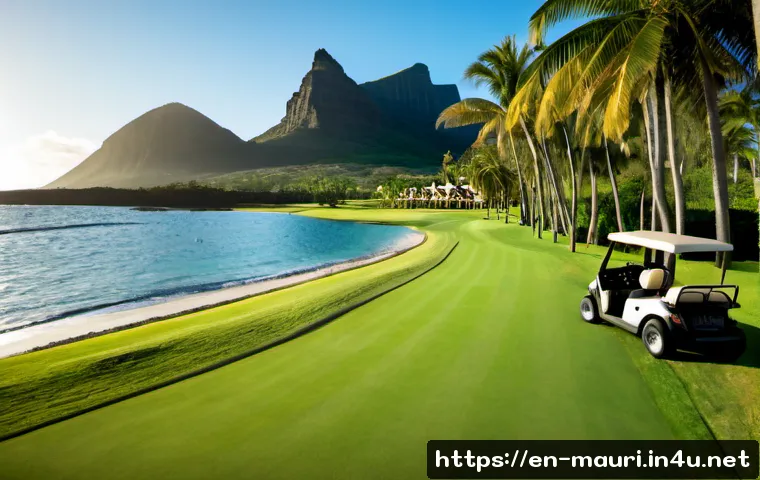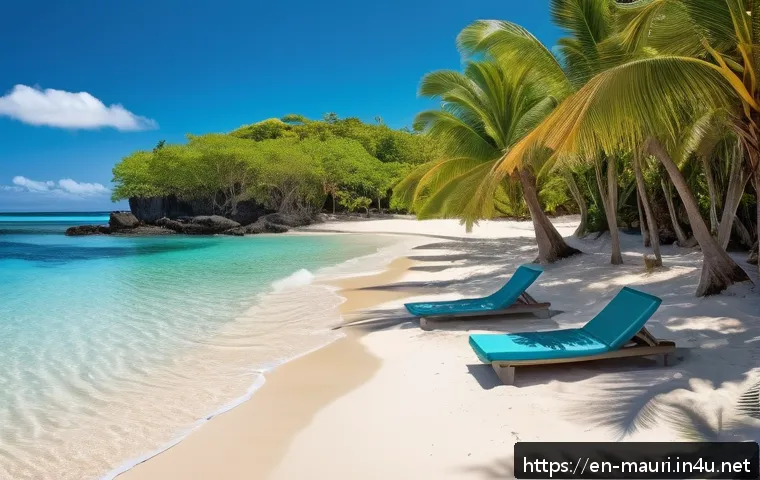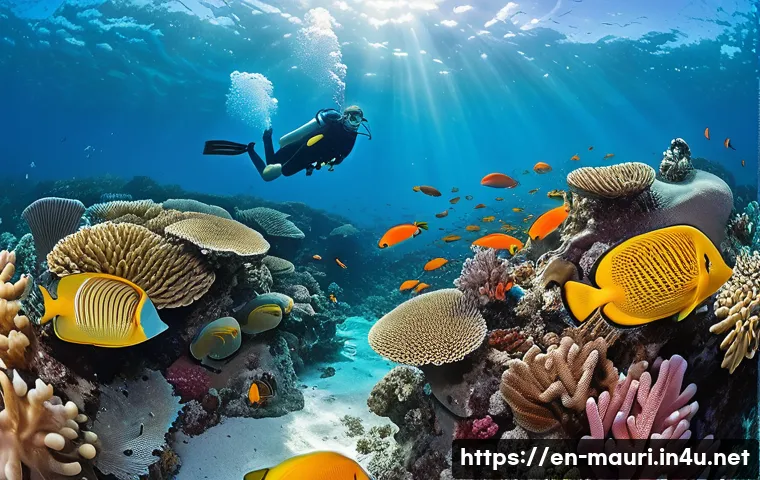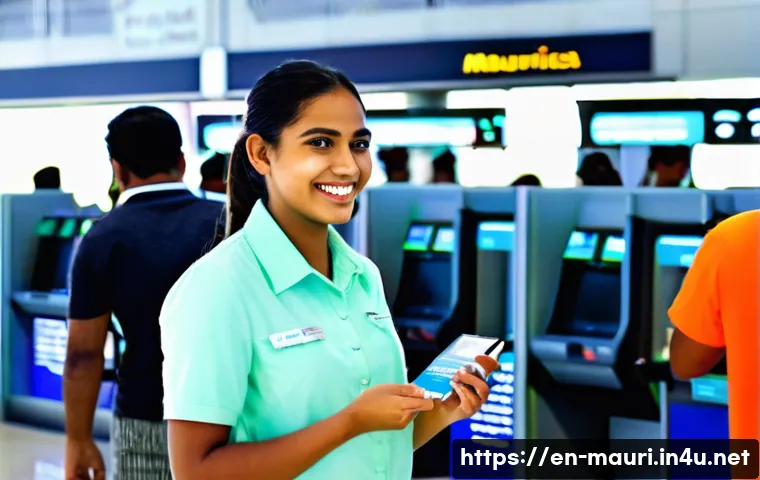
Mauritius, often envisioned purely as an idyllic beach escape, actually boasts a surprisingly dynamic and resilient economy. Having visited the island a few times, I’ve personally observed how swiftly they’ve adapted, especially after the recent global disruptions hit their vital tourism sector hard.
It’s truly impressive to witness their strategic pivot towards economic diversification, pushing beyond traditional sugar and textile industries into high-growth areas like financial services and information technology.
This isn’t just about recovery; it’s a bold vision for future prosperity. Let’s find out exactly how they’re doing it. This shift reflects a broader, forward-thinking approach, positioning Mauritius as a burgeoning hub in the Indian Ocean.
My latest dives into economic reports reveal a consistent push for sustainability, especially within the ‘blue economy,’ leveraging their vast marine resources in innovative, eco-friendly ways.
We’re seeing exciting developments in renewable energy and fintech, aiming to attract significant foreign direct investment and skilled professionals.
Of course, challenges remain, like navigating global economic headwinds and ensuring equitable growth, but the island’s commitment to fostering a business-friendly environment and investing in digital infrastructure points towards a robust and optimistic outlook.
It genuinely feels like Mauritius is writing its next chapter, one focused on innovation and long-term stability, far beyond its sun-drenched shores.
The Fintech Frontier: Mauritius’s Bold Digital Leap
Stepping onto the bustling streets of Port Louis these days, you can almost feel the digital pulse of the island. It’s a far cry from the sleepy, colonial-era financial hub one might have imagined years ago.
I remember conversations with local entrepreneurs during my last visit, their eyes gleaming with optimism about the future of fintech. It’s clear to me that Mauritius isn’t just dabbling in digital; it’s making a profound commitment to becoming a leading financial technology hub in the Indian Ocean.
This involves massive investments in secure digital infrastructure, a regulatory framework designed to foster innovation without compromising stability, and a concerted effort to attract both local and international talent in areas like blockchain, AI, and cybersecurity.
The sheer energy around these developments is palpable, demonstrating a proactive approach that is genuinely impressive. They’re not waiting for the future; they’re actively building it, creating an environment where financial innovation can truly flourish.
Forging a Robust Regulatory Sandbox
One of the most remarkable aspects, from my vantage point, is how the Mauritian government and the Financial Services Commission (FSC) have embraced a pragmatic yet forward-thinking approach to regulation.
I’ve seen firsthand how their regulatory sandbox has provided a safe space for fintech startups to test innovative solutions without stifling their growth.
It’s not about creating loopholes; it’s about understanding new technologies and adapting the rules to foster responsible innovation. This flexibility, coupled with a commitment to international best practices, has started to build significant trust among global investors looking for stable, well-regulated environments in emerging markets.
It’s a delicate balance, but they seem to be striking it rather well.
The Drive for Digital Inclusion and Talent Development
Beyond just attracting big international players, there’s a strong push for digital inclusion right here on the island. My conversations with university students revealed a genuine excitement for careers in tech, and the government is actively supporting programs to upskill the local workforce.
This isn’t just about economic growth on paper; it’s about empowering individuals and creating opportunities for the younger generation.
- Targeted Training Initiatives: Programs are being rolled out to equip locals with coding, cybersecurity, and data analytics skills, preparing them for the demands of the digital economy.
- Incubator and Accelerator Programs: Support systems for startups are flourishing, offering mentorship, funding opportunities, and networking avenues to help new businesses take flight.
- Broadband Infrastructure: Efforts to ensure widespread, affordable internet access are critical, bridging the digital divide and enabling more people to participate in the new economy.
Tapping the Blue Economy: Oceans of Opportunity
As someone who’s always been drawn to the ocean, it’s thrilling to see Mauritius not just protecting its marine resources but actively innovating around them.
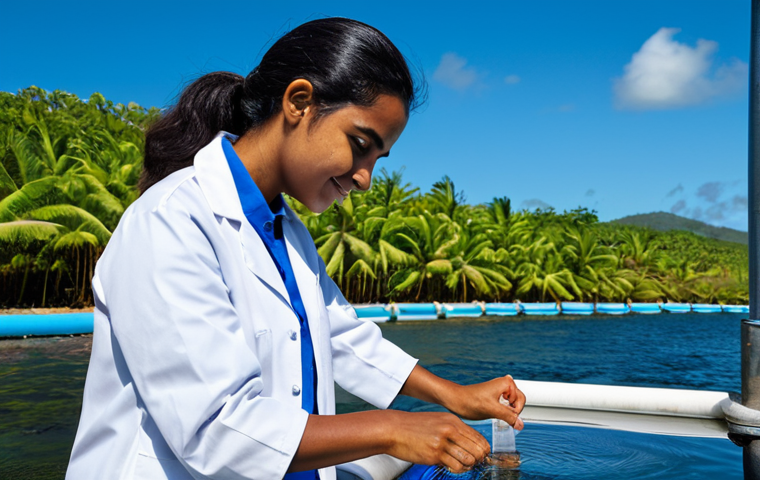
The concept of the ‘blue economy’ here isn’t just a buzzword; it’s a strategic pillar of their diversification efforts. During one of my trips, I had the chance to visit a sustainable aquaculture project, and the passion of the scientists and local workers there was incredibly inspiring.
They’re looking beyond traditional fishing, exploring deep-sea mining (with stringent environmental safeguards), marine biotechnology, and even renewable ocean energy.
It’s a testament to their understanding that their future prosperity is intrinsically linked to the health of their incredible marine environment. This holistic approach signals a deep commitment to sustainability that I truly admire.
Sustainable Aquaculture and Marine Biotechnology
The focus on sustainable aquaculture is particularly impressive. I’ve seen some of the innovative techniques they’re employing to farm high-value marine species, not only for local consumption but also for export.
This reduces pressure on wild fish stocks and creates new economic avenues. Furthermore, the burgeoning field of marine biotechnology is unlocking potential in areas like pharmaceutical development and nutraceuticals, leveraging the unique biodiversity of their waters.
This scientific exploration promises high-value returns while respecting the delicate marine ecosystem.
Renewable Ocean Energy and Coastal Protection
It makes perfect sense for an island nation to harness the power of the ocean, and Mauritius is keenly exploring avenues like wave and ocean thermal energy conversion (OTEC).
This not only contributes to their renewable energy goals but also positions them as pioneers in this specialized field. Beyond energy, there’s a significant emphasis on coastal protection and climate resilience, crucial for an island vulnerable to rising sea levels and extreme weather events.
These initiatives safeguard their natural assets and, importantly, the well-being of their communities.
Beyond Tourism’s Traditional Lure: A Refined Experience
While economic diversification is the headline, tourism remains a foundational pillar for Mauritius. However, what I’ve observed in recent years isn’t just a recovery, but a deliberate evolution of their tourism strategy.
It’s less about mass market appeal and more about curating unique, high-value experiences that showcase the island’s rich cultural tapestry, natural beauty, and emerging sectors.
I recall a conversation with a hotelier who spoke passionately about integrating local arts, cuisine, and eco-tourism initiatives into their offerings.
It’s a shift towards authenticity and sustainability, providing visitors with a deeper, more meaningful connection to the island. This thoughtful recalibration enhances the visitor experience and creates greater economic benefits for local communities.
Eco-Tourism and Cultural Immersion
My most recent trip included an exhilarating hike through Black River Gorges National Park, and I was struck by the dedication to preserving its pristine beauty while making it accessible.
This focus on eco-tourism, alongside cultural immersion experiences like Creole cooking classes or visits to historical sugar estates, is attracting a more discerning traveler.
These aren’t just activities; they are windows into the soul of Mauritius, creating memorable moments that resonate long after the tan fades.
- Protected Natural Reserves: Significant efforts are made to conserve biodiversity, offering guided tours that educate visitors on the island’s unique flora and fauna.
- Authentic Culinary Experiences: Local chefs and home cooks are sharing traditional recipes, allowing tourists to savor the vibrant flavors of Mauritian cuisine.
- Historical and Heritage Trails: Exploring sugar cane plantations, colonial houses, and vibrant markets provides a deeper understanding of the island’s rich past and present.
Medical Tourism and Specialized Niches
An exciting, albeit lesser-known, development is the growth of medical tourism. With state-of-the-art facilities and highly skilled medical professionals, Mauritius is positioning itself as a destination for quality healthcare services, particularly in areas like cosmetic surgery, fertility treatments, and wellness retreats.
This diversification within the tourism sector itself is a smart move, tapping into a different demographic and providing a more stable, year-round revenue stream.
It’s a strategic play that leverages their existing infrastructure and highly-trained workforce.
Fostering Foreign Direct Investment and Global Partnerships
Mauritius has long been known for its business-friendly environment, but the current push for foreign direct investment (FDI) feels more aggressive and targeted.
From what I’ve gathered through my interactions with various government agencies and business leaders, there’s a clear strategy to attract specific types of investment that align with their diversification goals.
They’re not just looking for capital; they’re seeking expertise, technology transfer, and market access that can truly elevate their economy. The ease of doing business, coupled with political stability and a robust legal framework, makes it an attractive proposition for international companies looking to establish a foothold in Africa or the wider Indian Ocean region.
I’ve personally spoken with investors who praise the straightforward processes and the accessible nature of the regulatory bodies – a breath of fresh air in an often-complex global investment landscape.
Strategic Investment Zones and Incentives
To further entice investors, Mauritius has established several strategic investment zones, each offering tailored incentives and streamlined processes.
These include specialized economic zones for manufacturing, technology parks for IT and BPO operations, and freeports for logistics and trade. The objective is clear: create an environment where businesses can thrive with minimal bureaucratic hurdles.
| Economic Sector | Key Growth Areas | FDI Opportunities |
|---|---|---|
| Financial Services | Fintech, Green Finance, Wealth Management | Digital platforms, specialized funds, tech partnerships |
| Blue Economy | Aquaculture, Marine Biotech, Ocean Energy | Sustainable fishing, biotech research, renewable energy projects |
| Manufacturing | High-tech production, Specialized Textiles | Automotive components, medical devices, value-added textiles |
| ICT & BPO | Software Development, Data Centers, AI | Call centers, cloud services, cybersecurity solutions |
| Renewable Energy | Solar, Wind, Bio-energy | Utility-scale projects, off-grid solutions, energy storage |
Building Bridges Through Double Taxation Avoidance Agreements
One aspect that always stands out in my research on Mauritius is its extensive network of Double Taxation Avoidance Agreements (DTAAs). This has historically been a cornerstone of its appeal as an international financial center.
By minimizing tax liabilities for international businesses, these agreements make it significantly more attractive for multinational corporations to channel investments through Mauritius.
It’s a sophisticated play that demonstrates their long-term vision for becoming a globally integrated economy.
Cultivating a Skilled Workforce and Entrepreneurial Spirit
What truly makes a diversified economy resilient isn’t just the industries themselves, but the people who power them. I’ve been incredibly impressed by Mauritius’s commitment to nurturing its human capital.
There’s a genuine understanding that a future-proof economy needs a workforce that is not only skilled but also adaptable and innovative. I’ve witnessed the enthusiasm of young Mauritians eager to learn new technologies and embrace entrepreneurial ventures.
The focus isn’t just on formal education; it’s on lifelong learning, vocational training, and fostering a culture where risk-taking and innovation are encouraged.
This grassroots development is crucial for sustained growth and ensures that the benefits of diversification are widely distributed across the population, making the entire economic ecosystem more robust.
Investing in Education and Vocational Training
The government, in collaboration with the private sector, is making significant investments in education, particularly in STEM fields and vocational training programs tailored to the needs of the emerging sectors.
This proactive approach ensures a continuous supply of talent for the fintech, ICT, and blue economy industries. My discussions with educators confirm a shift towards more practical, industry-relevant curricula.
Promoting Entrepreneurship and Innovation
There’s a vibrant startup ecosystem emerging, supported by government grants, venture capital funds, and incubation centers. I’ve heard inspiring stories of young Mauritian entrepreneurs developing innovative solutions for local and regional markets.
This fostering of an entrepreneurial spirit is vital, as it drives job creation, encourages new ideas, and builds a dynamic, self-reliant economy. The sense of community and mutual support among these burgeoning businesses is truly heartwarming.
Navigating Global Headwinds and Ensuring Inclusive Growth
While the narrative of diversification is overwhelmingly positive, it would be disingenuous to ignore the challenges that Mauritius, like any small island developing state, faces.
The global economic landscape is constantly shifting, and external shocks can quickly reverberate through a compact economy. I’ve personally seen the immediate impact of global recessions or supply chain disruptions on their tourism and export sectors.
However, what sets Mauritius apart is its proactive approach to risk mitigation and its unwavering commitment to ensuring that economic growth is equitable.
It’s not just about headline figures; it’s about improving the quality of life for all Mauritians, a sentiment I’ve heard echoed by everyone from government officials to local shopkeepers.
This dedication to inclusive development is, in my opinion, their greatest strength.
Addressing Infrastructure Gaps and Climate Vulnerabilities
Despite significant progress, there are still ongoing needs for infrastructure development, particularly in digital connectivity for remote areas and improved transport links.
Furthermore, as a low-lying island nation, Mauritius is acutely vulnerable to the impacts of climate change. Investments in climate-resilient infrastructure and adaptation measures are not just environmental necessities but economic imperatives.
The focus on the blue economy and renewable energy directly ties into this broader climate resilience strategy, which is a very smart move for the long term.
Bridging the Income Gap and Social Inclusion
While economic growth has been impressive, challenges remain in ensuring that the benefits trickle down to all segments of society. The government is actively implementing social protection programs and initiatives aimed at upskilling marginalized communities to ensure they are not left behind in the new economy.
This focus on social inclusion is critical for maintaining stability and fostering a truly prosperous and equitable society, something I’ve seen them genuinely strive for.
It’s a complex undertaking, but their commitment is clear.
Closing Thoughts
As I reflect on Mauritius’s remarkable journey, it’s truly inspiring how a small island nation can lead with such vision and purpose. Their commitment to innovation, sustainability, and inclusivity isn’t just rhetoric; it’s tangible progress that I’ve witnessed firsthand. I’m genuinely excited to see how these strategic pivots continue to shape their destiny and inspire other emerging economies. It’s a powerful testament to bold leadership and the vibrant spirit of the Mauritian people, charting a course for a future that is both prosperous and profoundly resilient.
Useful Information
1. The official currency in Mauritius is the Mauritian Rupee (MUR), with major credit cards widely accepted across hotels, restaurants, and larger retail outlets.
2. While English and French are the official languages for administration and business, Mauritian Creole is the most commonly spoken language among locals, adding to the island’s unique cultural tapestry.
3. The optimal time to visit Mauritius, whether for business or leisure, is generally between May and December, offering pleasant weather and avoiding the peak cyclone season.
4. For those interested in investment or business opportunities, the Economic Development Board (EDB) Mauritius serves as the primary governmental agency, providing comprehensive resources and support.
5. Mauritius operates on a GMT+4 time zone, positioning it strategically as a bridge for businesses looking to connect with both Asian and African markets.
Key Takeaways
Mauritius is strategically diversifying its economy beyond traditional tourism, with significant focus on high-growth sectors such as fintech, the blue economy, and specialized services like medical tourism.
This ambitious transformation is underpinned by robust regulatory frameworks, substantial investment in human capital development, and targeted foreign direct investment strategies.
Despite navigating global economic challenges, the nation remains committed to sustainable and inclusive growth, leveraging its unique geographical position and stable governance to forge a resilient and innovative economic future for all its citizens.
Frequently Asked Questions (FAQ) 📖
Q: Having visited a few times, I’m curious: how did Mauritius manage to pivot so effectively after the global disruptions hammered its vital tourism sector?
A: You know, it’s truly something to witness firsthand. When the chips were down, after the travel bans and everything, they didn’t just sit back. My take on it is, they really doubled down on their existing strengths while aggressively pushing into new areas.
I saw them making huge strides in promoting their financial services sector – think robust banking and investment frameworks – and seriously ramping up their tech infrastructure to attract IT firms.
It wasn’t just a hopeful wish; it was a concerted effort with real investment in digital connectivity and skilled labor. It felt less like a simple recovery and more like a deliberate, well-executed strategy to re-sculpt their economic identity.
Q: The mention of a ‘blue economy’ and other high-growth areas like fintech sounds intriguing. Can you explain what that looks like on the ground in Mauritius?
A: Absolutely, it’s not just buzzwords there. The ‘blue economy’ for Mauritius is fascinating – it’s about leveraging their incredible ocean resources sustainably.
We’re talking about things like responsible aquaculture, deep-sea exploration for eco-friendly purposes, and protecting their marine biodiversity, which in turn fuels high-value tourism too.
It’s a smart, long-term play. And honestly, the energy around fintech and renewable energy is palpable. They’re actively incentivizing foreign direct investment into these sectors, creating special economic zones and streamlining regulations.
It’s all designed to draw in not just capital, but also top-tier professionals and innovative companies. You really get a sense that they’re building an ecosystem, not just isolated industries.
Q: Even with all this positive momentum, challenges are inevitable. What are some of the key hurdles Mauritius is still navigating, and what’s their approach to them?
A: That’s a fair point, nowhere is without its challenges, right? For Mauritius, they’re definitely still keeping a keen eye on global economic headwinds – things like fluctuating interest rates or geopolitical shifts can always impact a small island nation heavily reliant on international trade and investment.
And ensuring that this impressive growth translates into equitable benefits for all Mauritians, not just a select few, is a constant balancing act. But what I find genuinely encouraging is their proactive stance.
They’re not shying away from these issues. Instead, they’re continually refining their business-friendly environment, investing even more heavily in digital infrastructure, and pushing for skills development to build a homegrown talent pool.
It feels like they’re tackling these hurdles head-on, with a long-term vision for true stability and prosperity beyond the picturesque beaches.
📚 References
Wikipedia Encyclopedia
구글 검색 결과
구글 검색 결과
구글 검색 결과
구글 검색 결과
구글 검색 결과