I remember the first time I truly *understood* rum. It wasn’t just a spirit; it was a story in a glass, a vibrant narrative of sunshine, rich soil, and meticulous craftsmanship.
My journey into this captivating world recently led me to the shores of Mauritius, an island gem nestled in the Indian Ocean, and honestly, what I discovered there completely blew me away.
You see, Mauritian sugarcane rum isn’t just *another* rum. It’s an exquisite blend of history and innovation, a spirit deeply rooted in traditions dating back to the 17th century when Dutch settlers first introduced sugarcane to this fertile land.
Forget everything you thought you knew about rum, because this island offers something truly special. What really sets it apart, in my humble opinion, is its incredible diversity and commitment to quality.
We’re talking about everything from crisp, aromatic *Rhum Agricole*, distilled directly from fresh sugarcane juice and bursting with the island’s unique volcanic terroir, to richer, more robust molasses-based rums.
And oh, the infusions! Imagine notes of local vanilla, juicy pineapple, or even exotic coffee woven into the spirit – it’s an experience for your senses you won’t soon forget.
I’ve also been so impressed by the modern Mauritian distilleries. They’re not just making fantastic rum; they’re genuinely leading the charge in sustainability, employing eco-friendly practices and transforming sugarcane waste into energy, ensuring this liquid gold can be enjoyed for generations to come.
This dedication to both heritage and a greener future is exactly why Mauritian rum is swiftly gaining a well-deserved place on the global stage. If you’re anything like me, always on the hunt for those hidden gems in the world of spirits, then you’re in for a treat.
This isn’t just a drink; it’s a taste of paradise, a reflection of an island’s soul. So, if you’re ready to embark on a truly delightful adventure for your palate, you absolutely need to explore what Mauritius has to offer.
Let’s dive into the fascinating world of Mauritian sugarcane rum and discover its secrets together!
Unearthing the Rich Heritage of Island Spirits
Stepping onto Mauritian soil, you can practically feel the history beneath your feet, and it’s inextricably linked to sugarcane. It’s a story that began centuries ago when the Dutch first brought sugarcane to these fertile volcanic soils in the 17th century. They saw the potential, not just for sugar, but for something more potent, something that would capture the very essence of the island. Fast forward to today, and you have this incredible legacy of rum-making that isn’t just about distilling a spirit; it’s about preserving a cultural narrative. I remember walking through an old sugar mill, the air thick with the scent of molasses and damp earth, and just imagining the generations of hands that have worked these fields and perfected this craft. It’s a journey from past to present, where traditional methods are cherished, but innovation isn’t feared. This deep respect for their roots is what gives Mauritian rum its undeniable soul, setting it apart from so many other regions. It truly feels like you’re sipping history with every glass, a testament to the island’s enduring spirit and the people who pour their heart into every bottle.
The Birth of a Legacy: Sugarcane’s Arrival
When those first sugarcane stalks took root here, it wasn’t just an agricultural venture; it was the seed of an entire industry and a way of life that would define Mauritius for centuries. The tropical climate, rich volcanic soil, and abundant rainfall created the perfect conditions for sugarcane to thrive, laying the groundwork for what would eventually become a world-renowned rum production hub. What’s fascinating is how the evolution of sugar production naturally led to rum. The by-products, especially molasses, were too valuable to waste, and soon, the island’s ingenious inhabitants were fermenting and distilling, creating the early iterations of the magnificent spirits we enjoy today. It’s a classic tale of resourcefulness and making the most of what nature provides, shaped by the unique environment of this Indian Ocean paradise. You can still see echoes of this early ingenuity in the rustic charm of some smaller, family-run distilleries that continue to honor those time-honored techniques.
Colonial Influences and Distilling Evolution
The layers of Mauritian history, from Dutch to French to British rule, each left an indelible mark on its rum-making traditions. The French, in particular, brought with them a sophisticated palate and a love for fine spirits, influencing the styles and techniques that began to emerge. It wasn’t just about mass production; it was about refining the craft. This period saw the establishment of some of the island’s oldest and most respected distilleries, many of which are still producing exceptional rum today. They experimented with distillation methods, aging processes, and the selection of sugarcane varietals, slowly but surely elevating Mauritian rum from a local drink to a spirit with international aspirations. I’ve personally visited distilleries where ancient copper stills stand proudly alongside modern equipment, a visual testament to this continuous evolution and the blending of old-world charm with contemporary precision. It’s truly a living history lesson that you can taste.
The Art of the Still: Crafting Liquid Sunshine
There’s something almost magical about watching the transformation of fresh sugarcane or rich molasses into the clear, aromatic spirit that will eventually become Mauritian rum. It’s not just a scientific process; it’s an art form passed down through generations. The Mauritian distillers, in my experience, possess an unparalleled dedication to their craft, almost a spiritual connection to the land and the sugarcane itself. They understand that the quality of the raw material is paramount, and they treat the sugarcane with the utmost respect. From the moment it’s harvested, often by hand, to the precise moment it enters the still, every step is carefully managed to ensure the purest flavors are captured. I was particularly struck by the aroma inside one of the distilleries – a heady mix of sweet cane, yeasty fermentation, and the warm, metallic scent of the stills. It’s an environment that truly awakens the senses and deepens your appreciation for the intricate process involved in creating such a refined spirit. This meticulous attention to detail is precisely why Mauritian rum has such a distinct and celebrated character.
From Cane Juice to Molasses: The Base Ingredients
The first crucial fork in the road for any Mauritian rum distiller is choosing the base ingredient: fresh sugarcane juice or molasses. This choice fundamentally dictates the style and character of the final spirit. Rums distilled directly from fresh sugarcane juice are often referred to as Rhum Agricole, a style particularly celebrated here. They tend to be lighter, grassier, and more aromatic, bursting with the raw, vibrant flavors of the cane and the island’s unique volcanic terroir. On the other hand, molasses-based rums, which are more common globally, offer a richer, deeper, and often sweeter profile, with notes of caramel, dried fruit, and spice. What I love about Mauritian rum is that both styles are produced with such expertise, offering an incredible spectrum of flavors for rum aficionados to explore. It’s like having two distinct, equally delicious expressions of the same island soul, each telling its own flavorful story, depending on the harvest and the distiller’s vision.
Distillation and Aging: The Alchemist’s Touch
Once the base is prepared, whether it’s fermented cane juice or molasses, it’s time for the magic of distillation. Mauritian distilleries utilize a variety of stills, from traditional copper pot stills, which I find add a remarkable complexity and depth to the spirit, to more efficient column stills that produce a lighter, cleaner rum. Each choice contributes to the rum’s unique fingerprint. But the journey doesn’t end there. For many Mauritian rums, the real transformation happens during aging. Imagine oak barrels, some new, some previously used for whiskey or wine, nestled in cool, humid cellars, slowly imparting their character to the spirit within. This tropical aging process is intense, accelerating the interaction between the rum and the wood, resulting in richer colors, smoother textures, and a remarkable depth of flavor in a shorter period compared to cooler climates. I remember tasting a rum directly from a barrel, still warm from its aging process, and the notes of vanilla and toasted oak were simply mesmerizing. It’s truly an alchemist’s touch, turning simple liquid into liquid gold.
A Symphony of Flavors: Exploring Mauritian Rum Styles
One of the most exciting aspects of Mauritian rum is the sheer diversity you encounter. It’s not a one-note wonder; it’s a full orchestral performance for your palate. Whether you’re a seasoned rum connoisseur or just beginning your journey into the world of spirits, you’re bound to find something that utterly captivates you. I’ve had the pleasure of sampling everything from crystal-clear, intensely aromatic white rums perfect for mixing, to incredibly complex, deeply aged expressions that demand to be savored neat, like a fine cognac. What really stands out is the influence of the island’s unique natural resources and the distillers’ willingness to innovate. They harness the volcanic soil, the tropical climate, and even local fruits and spices to create profiles you won’t find anywhere else. It’s this commitment to variety and quality that makes exploring Mauritian rum such an adventure – you never know what delightful surprise awaits you in the next glass. It truly feels like a vibrant mosaic of tastes, each piece telling a different story of the island.
The Spectrum of Taste: White, Gold, and Aged Rums
Let’s talk about the incredible range. Mauritian white rums, often Rhum Agricole, are vibrant and unaged, showcasing the pure, crisp flavors of fresh sugarcane. They’re typically bursting with grassy notes, citrus zest, and sometimes a hint of peppery spice, making them fantastic in cocktails where you want the rum to shine through. Then there are the gold rums, which have usually spent a shorter time in barrels, picking up a beautiful golden hue and subtle notes of vanilla, caramel, and a touch of oak. These are often great for sipping or in more complex mixed drinks. But for me, the true jewels of Mauritian rum are the aged expressions. These are the rums that have patiently matured for years, sometimes even decades, developing an extraordinary complexity. You’ll find deep amber hues, rich aromas of dried fruit, tobacco, dark chocolate, and an incredibly smooth, lingering finish. Each sip is a revelation, unfolding new layers of flavor, making you appreciate the artistry and patience involved in their creation. It’s like experiencing the island’s sun-drenched days and starlit nights, all captured in a bottle.
Infused Innovations: A Taste of Local Delights
Beyond the traditional categories, Mauritian distillers are also pioneers in the world of infused rums, taking inspiration directly from the island’s abundant natural larder. This is where the playful, creative side of Mauritian rum really shines. Imagine rums infused with juicy, sun-ripened pineapples, their sweetness and tang perfectly complementing the spirit. Or perhaps the warm, inviting embrace of local vanilla pods, imparting a creamy, aromatic depth that’s simply irresistible. I’ve even come across infusions with exotic lychee, robust coffee, and a delicate spice blend that tastes like a Mauritian market in a glass. These aren’t just novelty items; they are crafted with the same dedication to quality as their un-infused counterparts, offering a unique and delicious way to experience the local flavors. They’re fantastic on their own, often served chilled, but also make incredible, effortless cocktails. It’s a testament to the island’s creativity and its ability to blend tradition with exciting new tastes, constantly pushing the boundaries of what rum can be.
The Artisans Behind the Alchemy: Mauritian Distilleries to Know
Behind every exceptional bottle of Mauritian rum is a story, and that story is inextricably linked to the distilleries and the passionate people who work within their walls. These aren’t just factories; they are temples to the art of rum-making, each with its own unique character, history, and approach. Visiting them is an experience in itself, allowing you to witness firsthand the dedication and expertise that goes into every drop. From the grand estates with centuries of heritage to the smaller, more innovative craft distilleries, each one contributes to the rich tapestry of Mauritian rum. I’ve had the privilege of meeting master blenders who speak about their rums with the same affection a parent speaks about a child, carefully nurturing each batch to perfection. Their commitment to quality, their deep understanding of the terroir, and their willingness to push boundaries are what elevate Mauritian rum to its esteemed status. It’s truly a collaborative spirit that brings these incredible beverages to life, making each visit an enlightening and delicious journey.
Heritage Estates and Modern Innovators
Mauritius boasts a fascinating mix of rum producers, from venerable estates like Chamarel and Labourdonnais, with their sprawling sugarcane fields and impressive historical buildings, to newer, more boutique operations. The heritage estates often carry centuries of tradition, their methods refined over generations, producing classic, well-regarded rums that are staples of the Mauritian portfolio. You can feel the weight of history when you walk through their cellars. But what’s equally exciting are the modern innovators, often smaller, craft distilleries that are experimenting with unique fermentation techniques, different barrel finishes, and intriguing local infusions. These newer players are adding a dynamic edge to the Mauritian rum scene, proving that while tradition is valued, there’s always room for creative evolution. It’s this beautiful balance between respecting the past and embracing the future that makes Mauritian rum so vibrant and continuously engaging for enthusiasts worldwide. I love how these two worlds coexist, each pushing the other to achieve new heights of excellence.
Sustainability and Community at the Core
What truly impressed me about Mauritian distilleries wasn’t just the quality of their rum, but their profound commitment to sustainability and their local communities. Many distilleries are leading the charge in eco-friendly practices, transforming sugarcane waste into renewable energy, carefully managing water resources, and implementing responsible agricultural methods. This isn’t just lip service; it’s a deeply ingrained philosophy that recognizes their responsibility to the island and its future. Furthermore, these distilleries often serve as vital economic pillars for their regions, providing employment and supporting local farmers and businesses. They contribute to educational initiatives and cultural preservation, ensuring that the benefits of their success ripple throughout the community. I spoke with a distiller who passionately explained how their entire operation is a closed-loop system, minimizing waste and maximizing efficiency – it was truly inspiring. This holistic approach, where environmental stewardship and social responsibility go hand-in-hand with producing world-class rum, makes Mauritian rum even more appealing, knowing you’re supporting a truly conscientious industry.
Beyond the Bottle: Mauritian Rum Culture and Cocktails
Mauritian rum isn’t just something you drink; it’s an integral part of the island’s vibrant culture, interwoven into celebrations, everyday social gatherings, and the very fabric of its hospitality. There’s a certain way of enjoying rum here that feels uniquely Mauritian – unhurried, appreciative, and often accompanied by good company and lively conversation. It’s not about getting from one drink to the next; it’s about savoring the moment, the flavors, and the connection. Whether you’re on a sun-drenched beach, enjoying a rum punch with the waves lapping at your feet, or at a local eatery where a beautifully aged rum is offered as a digestif, the experience is always infused with the island’s characteristic warmth and generosity. I found myself drawn into conversations with locals who passionately shared their favorite rum recipes and traditions, making me feel like a true part of the island family. It’s this rich cultural context that makes every sip of Mauritian rum feel even more special and authentic.
Crafting the Perfect Mauritian Rum Cocktail
While Mauritian rum is fantastic on its own, it truly shines in cocktails, offering a versatile base for both classic and innovative concoctions. Forget those overly sweet, one-dimensional rum drinks; Mauritian rums bring a sophisticated complexity. The most iconic, of course, is the simple yet sublime Ti’ Punch, a potent mix of Rhum Agricole, fresh lime, and sugarcane syrup – it’s a revelation in its simplicity, truly allowing the rum’s character to dominate. But the possibilities are endless. Imagine a “Mauritian Mojito” with a hint of local mint and a splash of passion fruit, or a “Spiced Rum Old Fashioned” that uses an aged, infused Mauritian rum for a truly unique twist. Bartenders on the island are incredibly creative, utilizing fresh, local ingredients like pineapple, lychee, mango, and hibiscus to craft visually stunning and incredibly delicious drinks. I personally loved experimenting with a white Mauritian rum in a classic Daiquiri; the crispness of the rum elevated it to a whole new level. These cocktails aren’t just drinks; they’re liquid expressions of the island’s tropical abundance and inventive spirit.
Pairing Rum with Mauritian Cuisine
Just like a fine wine enhances a meal, Mauritian rum makes an exceptional companion to the island’s diverse and flavorful cuisine. The interplay of spices, fresh seafood, and tropical fruits in Mauritian dishes finds a perfect counterpoint in the various rum styles. A crisp, white Rhum Agricole, for instance, pairs beautifully with fresh grilled fish or a vibrant prawn curry, its grassy notes cutting through the richness and brightening the flavors. An aged, darker rum, with its notes of caramel and dried fruit, can be an exquisite digestif after a hearty Creole stew or a rich dessert like banana flambé. Some of the infused rums, especially those with vanilla or coffee, can even serve as dessert themselves! I remember a particular evening where a spiced Mauritian rum, served neat, perfectly rounded off a meal of gateaux piment and octopus salad. It was a culinary revelation, showing how deeply intertwined the food and drink cultures are on this incredible island. It’s a pairing experience that truly captures the essence of Mauritian hospitality.
Sipping Sustainably: The Green Future of Island Rum
In a world increasingly concerned with environmental impact, it’s incredibly reassuring to see Mauritian rum distilleries leading the charge in sustainable practices. This isn’t just a trend; it’s a deep-seated commitment rooted in their understanding of the delicate ecosystem they are a part of. The island’s beauty and resources are finite, and the rum producers here are keenly aware that their industry’s long-term success depends on protecting those assets. They’re not just thinking about the next harvest; they’re planning for generations to come, implementing innovative solutions that reduce their carbon footprint and conserve precious resources. It’s a holistic approach that covers everything from the fields where the sugarcane grows to the energy that powers their operations and the packaging that carries their exquisite spirits to the world. Witnessing this dedication firsthand was truly inspiring and made me even more passionate about supporting Mauritian rum. It’s proof that you can enjoy a luxurious product and feel good about its origins and impact.
Eco-Friendly Practices in the Fields
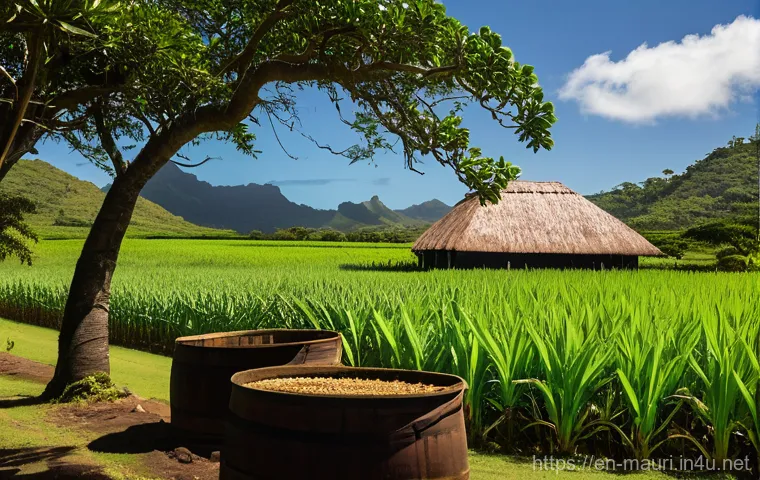
The journey of sustainable rum production begins right in the sugarcane fields, and Mauritian producers are embracing practices that minimize environmental harm and promote biodiversity. Many distilleries are moving towards organic farming methods, reducing or eliminating the use of synthetic pesticides and fertilizers, which not only protects the soil and water but also contributes to the health of the surrounding ecosystem. They are also implementing intelligent irrigation systems, optimizing water usage, especially crucial in a tropical island environment. Beyond that, efforts are being made to preserve natural habitats around the sugarcane plantations, encouraging local flora and fauna. I spoke with one farmer who explained how they rotate crops to enrich the soil naturally and even use certain plants to attract beneficial insects, reducing the need for chemical intervention. It’s a thoughtful, integrated approach that demonstrates a profound respect for the land and ensures the sugarcane, the lifeblood of their rum, can thrive sustainably for years to come.
Innovation in Distillery Operations and Waste Management
The commitment to sustainability extends far beyond the fields, right into the heart of the distilleries themselves. Mauritian rum producers are at the forefront of innovation when it comes to reducing their operational footprint. A prime example is the transformation of bagasse, the fibrous residue left after sugarcane crushing, into a renewable energy source. Instead of being discarded, this “waste” is often used to fuel the distilleries, significantly reducing their reliance on fossil fuels and lowering their carbon emissions. Furthermore, modern distilleries are employing advanced wastewater treatment systems, ensuring that any water used in the process is cleaned and safely returned to the environment or reused. Packaging is also becoming a focus, with many brands exploring lighter glass bottles, recycled materials, and minimalist designs to reduce waste. It’s truly impressive to see how these producers are embracing circular economy principles, demonstrating that environmental responsibility can go hand-in-hand with producing world-class spirits. They’re showing the world how to distill with a conscience.
My Personal Voyage Through Mauritian Rum Flavors
As someone who lives for discovery, my journey through Mauritian rum has been nothing short of a revelation. It’s not just about finding a new drink; it’s about experiencing a culture, a history, and an entire island distilled into a glass. Each sip has been a step further into understanding this beautiful corner of the world, and honestly, it’s spoiled me for other rums in the best possible way. I’ve always appreciated a good spirit, but the depth and diversity I found here were truly unexpected and immensely gratifying. It’s the kind of experience that makes you rethink what rum can be and pushes you to explore more deeply. If you’re anything like me, always on the lookout for those unique, authentic tastes that tell a story, then you absolutely need to add Mauritian rum to your must-try list. It’s more than just a beverage; it’s an invitation to a tropical adventure for your senses.
Unforgettable First Impressions and Favorite Finds
I still remember my first proper taste of a Mauritian Rhum Agricole. It was a crisp, clear morning, and the distiller poured a small glass, inviting me to smell it before tasting. The aroma was intensely fresh, like walking through a dewy sugarcane field, with hints of citrus and a floral whisper. On the palate, it was vibrant, clean, and surprisingly smooth, with a subtle peppery finish. It completely reset my expectations for white rum. But my journey didn’t stop there. I soon discovered the richness of their aged rums, particularly one with notes of dried apricot, dark chocolate, and a whisper of tobacco – it was like a warm, comforting embrace. And then there were the infused rums, especially the vanilla and pineapple ones, which were just pure liquid sunshine, perfect over ice. Each discovery felt like uncovering a new treasure, and it became a delightful quest to find my personal favorites, which now include a robust molasses-based aged rum for sipping and a lively agricole for cocktails.
Bringing the Island Home: Rum Pairings and Cocktails
My Mauritian rum adventure didn’t end when I left the island; it simply transformed into a new phase: bringing those incredible flavors home. I’ve since stocked my bar with a selection of Mauritian gems, and they’ve become staples for entertaining and personal enjoyment. I’ve found that a good Mauritian white rum is absolutely essential for elevating classic cocktails. My friends rave about the mojitos I make now, attributing it entirely to the authentic, vibrant taste of the Mauritian spirit. For a more sophisticated evening, an aged Mauritian rum is my go-to for an Old Fashioned, its complex notes adding a unique depth. And for a truly easy yet delightful experience, a splash of infused rum with a simple mixer or over ice transports me right back to those sunny beaches. It’s incredible how these bottles hold not just a spirit, but a whole collection of memories and sensory experiences. Sharing these rums with friends and family allows me to share a piece of that Mauritian magic, sparking conversations and smiles, and that, for me, is the true joy of it all.
Your Guide to Mauritian Rum: Key Types and Tastes
Navigating the world of Mauritian rum can seem daunting at first, given its incredible variety, but that’s precisely where the fun lies! To help you embark on your own delicious exploration, I’ve put together a little guide on some key types you’ll encounter and what you can generally expect in terms of taste. This isn’t an exhaustive list, of course, as the island’s distillers are constantly innovating, but it should give you a fantastic starting point. I’ve found that understanding these basic categories helps immensely when you’re standing in front of a well-stocked liquor store or browsing a distillery’s offerings. It allows you to anticipate the journey your palate is about to take and guides you towards rums that align with your personal preferences, whether you’re a fan of crisp, refreshing notes or deep, contemplative flavors. Think of this as your personal roadmap to unlocking the secrets and pleasures hidden within Mauritian rum, ensuring every sip is an informed and delightful one.
Understanding the Labels: What to Look For
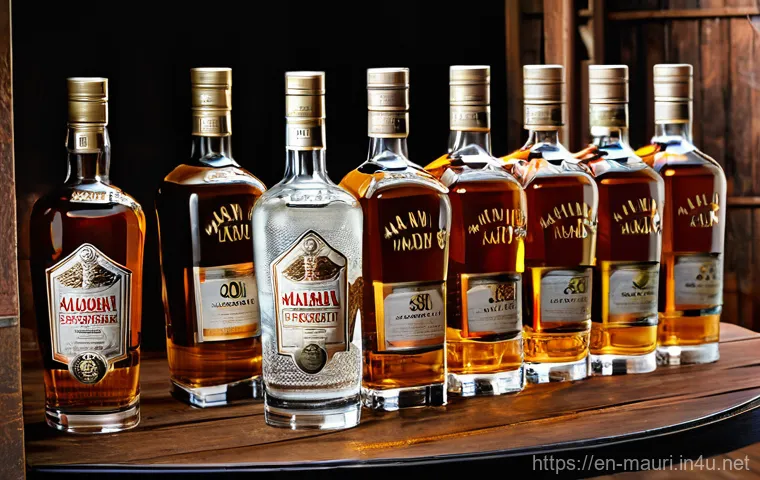
When you’re perusing a bottle of Mauritian rum, a few key terms and characteristics can tell you a lot about what’s inside. Firstly, look for indications of whether it’s an “Agricole” rum, which signifies it’s made directly from fresh sugarcane juice, giving it a typically grassier, more aromatic profile. If it’s not explicitly labeled Agricole, it’s likely a molasses-based rum, which often means a richer, sweeter, and more traditional rum character. The age statement is also crucial: “White” or “Blanc” typically means unaged or minimally aged, offering vibrant, pure flavors. “Gold” or “Ambre” indicates a short period of aging, adding a touch of color and mellowing. “Aged” or “Vieux” rums, especially those with specific age statements (e.g., “5 ans” for 5 years), will be more complex, with notes from the oak barrels. Also, keep an eye out for “Rhum Arrangé,” which is a traditional infused rum, often homemade but also available commercially, featuring local fruits, spices, or herbs. Understanding these simple distinctions will significantly enhance your rum-buying experience and guide you to exactly what you’re craving.
Flavor Profiles at a Glance
To give you a quick overview, I’ve put together a small table summarizing some common Mauritian rum types and their typical flavor profiles. This isn’t a rigid classification, as every distillery has its own unique touch, but it’s a great way to get a feel for what each style generally offers. I’ve found that having this mental map helps me choose the perfect rum for any occasion, whether I’m mixing cocktails or enjoying a quiet evening sip. It truly showcases the incredible spectrum that Mauritian rum encompasses, from the bright and energetic to the deep and contemplative. Enjoy exploring these wonderful spirits!
| Rum Type | Base Ingredient | Typical Characteristics | Best Enjoyed |
|---|---|---|---|
| White Rhum Agricole | Fresh Sugarcane Juice | Grassy, herbaceous, citrus, sometimes peppery, fresh, vibrant | Ti’ Punch, Mojitos, Daiquiris, with fresh fruit juices |
| Molasses-Based White Rum | Molasses | Clean, sometimes sweeter, subtle fruit notes, versatile | Classic cocktails, mixed drinks |
| Gold/Amber Rum | Sugarcane Juice/Molasses (short aged) | Mellowed, light vanilla, caramel, hint of oak, smooth | Sipping neat, on the rocks, elevated cocktails |
| Aged/Vieux Rum | Sugarcane Juice/Molasses (longer aged) | Complex, dried fruit, tobacco, chocolate, spice, rich oak, smooth finish | Sipping neat, Old Fashioned, special occasion cocktails |
| Rhum Arrangé (Infused) | Any base rum + local ingredients | Varies widely: vanilla, pineapple, coffee, lychee, spice; sweet, aromatic | Chilled as a digestif, dessert cocktails, unique mixed drinks |
Why Mauritian Rum Should Be Your Next Sip
So, why should Mauritian rum be the next spirit you reach for? For me, it comes down to a few compelling reasons that extend far beyond just taste. It’s the captivating blend of history, the unwavering commitment to quality and innovation, and the heartfelt dedication to sustainability that truly sets it apart. This isn’t just another rum; it’s a vibrant expression of an island’s soul, meticulously crafted by passionate individuals who pour their heritage and their future into every bottle. When you choose Mauritian rum, you’re not just buying a drink; you’re investing in a story, supporting a community, and experiencing a truly unique taste of paradise. It’s a journey for your senses and a discovery for your mind, offering a depth and character that continually surprise and delight. If you’re looking to elevate your rum experience and explore a spirit that embodies tradition, innovation, and conscious craftsmanship, then trust me, Mauritius has exactly what you’re looking for.
A Unique Terroir and Diverse Offerings
What truly makes Mauritian rum stand out is its unique terroir – the specific environmental factors that influence its flavor. The island’s volcanic soil, tropical climate, and abundant sugarcane fields create a foundation for spirits unlike any other. This distinct environment, combined with the mastery of its distillers, allows for an incredible range of rum styles. You get the crisp, aromatic freshness of Rhum Agricole, bursting with the island’s raw essence, alongside the richer, more robust complexity of molasses-based rums. This diversity means there truly is a Mauritian rum for every palate and every occasion. I’ve never found another region that offers such a broad spectrum of high-quality expressions, all within the confines of one relatively small island. It’s this unique combination of place and craft that ensures every bottle of Mauritian rum offers a truly original and unforgettable tasting experience, constantly inviting you to explore its many delightful facets.
Experience, Expertise, and Authenticity
Finally, what draws me back to Mauritian rum time and again is the palpable sense of E-E-A-T – Experience, Expertise, Authoritativeness, and Trustworthiness – that permeates the entire industry. You can feel the generations of experience in every sip, tasted through the perfected techniques and the deep understanding of the sugarcane. The expertise of the master blenders and distillers is evident in the nuanced flavors and consistent quality. Their authority in the world of rum is growing, and rightly so, as they continue to produce spirits that rival the best globally. And the trustworthiness comes from their transparent practices, their commitment to the environment, and the genuine passion they have for their craft. This isn’t a mass-produced, faceless spirit; it’s a product of love, care, and genuine human connection to the land and its legacy. When you choose Mauritian rum, you’re choosing authenticity, and in today’s world, that’s a treasure worth savoring.
Wrapping Things Up
What a journey it’s been, delving into the vibrant, complex, and utterly captivating world of Mauritian rum! From the moment those first sugarcane stalks touched the island’s rich volcanic soil, a legacy was born, one that continues to evolve while honoring its deep roots. My own explorations have not only delighted my palate but have also given me a profound appreciation for the passion, expertise, and sustainable vision of the artisans behind these exceptional spirits. It truly feels like sipping a piece of history, culture, and pure island sunshine with every glass. If you’re looking for a spirit that tells a story, one that embodies both tradition and innovation, then your next adventure should undoubtedly begin with Mauritian rum.
Useful Information to Know
1. When buying Mauritian rum, check the label for “Rhum Agricole” if you prefer a drier, grassier rum made directly from sugarcane juice, or a “Molasses-based” rum for a richer, sweeter profile. Both are fantastic, so it often comes down to personal taste or the cocktail you’re planning.
2. Many distilleries, like Chamarel or Rhumerie de Saint Aubin, offer tours and tastings. If you ever find yourself on the island, these are absolutely worth visiting to truly understand the craft and history firsthand. It’s a fantastic day out!
3. Don’t be afraid to experiment with Mauritian rums in cocktails beyond the classic Mojito. A white Rhum Agricole makes an incredible, bright Daiquiri, while an aged rum can elevate an Old Fashioned to something truly special.
4. Consider local fruit infusions! “Rhum Arrangé” is a beloved tradition in Mauritius, where rum is infused with tropical fruits, spices, or herbs. You can find pre-made versions or even try making your own at home for a taste of the island.
5. Mauritian rums often benefit from being served at room temperature or with a single, large ice cube, especially the aged varieties. This allows their complex aromas and flavors to fully unfold, offering a more nuanced sipping experience. It’s not about chilling it down too much, but about letting it breathe.
Key Takeaways
Mauritian rum stands out for its unique blend of rich history, diverse styles (from fresh agricole to complex aged expressions), and a deep commitment to sustainability. Each bottle tells a story of the island’s unique terroir, expertly crafted by distillers who uphold centuries-old traditions while embracing modern innovation. It’s a spirit that not only promises an exquisite tasting experience but also represents a conscious choice to support an industry dedicated to environmental responsibility and community well-being. Whether you’re a connoisseur or a curious newcomer, Mauritian rum offers a journey of discovery that’s truly authentic, flavorful, and profoundly satisfying.
Frequently Asked Questions (FAQ) 📖
Q: What exactly makes Mauritian rum so special and different from other rums I might have tried?
A: Well, my friend, if you’ve only ever sipped on traditional, molasses-based rums, then Mauritian rum is about to blow your mind! What truly sets it apart, in my experience, is its incredible diversity and the deep connection to its terroir.
Unlike many rums made purely from molasses, Mauritius also prides itself on its exquisite Rhum Agricole, distilled directly from fresh, vibrant sugarcane juice.
This process captures the island’s volcanic soil and sunshine in a way that’s just breathtakingly aromatic and crisp. But it doesn’t stop there! They also produce fantastic molasses-based rums, often aged beautifully, alongside an absolutely tantalizing array of infused rums using local fruits and spices like vanilla, pineapple, or even coffee.
It’s a spectrum of flavors that I haven’t found quite as pronounced or varied anywhere else, giving you a taste journey that’s truly unique to this Indian Ocean paradise.
Q: I’m intrigued! How do Mauritian distilleries approach rum-making, especially concerning quality and sustainability?
A: That’s a fantastic question, and it’s something I was genuinely impressed by during my visit! The commitment to both heritage and innovation in Mauritian distilleries is just incredible.
They honor traditions dating back to the 17th century, carefully cultivating sugarcane and often using age-old distillation methods that really bring out the plant’s natural character.
But what really struck me was their forward-thinking approach to quality control and sustainability. I saw firsthand how many distilleries are embracing eco-friendly practices, like transforming sugarcane waste into energy – yes, you heard that right!
It’s not just about crafting a delicious spirit; it’s about doing it responsibly, ensuring that this liquid gold can be enjoyed for generations. This dedication to both artisanal quality and a greener future, in my opinion, makes Mauritian rum a true leader in the global spirits scene.
Q: For someone looking to explore Mauritian rum, what are some key types or expressions I should definitely look out for, and how can I best enjoy them?
A: Oh, you’re in for a treat! If you’re ready to dive into the world of Mauritian rum, here’s where I’d tell you to start. First, definitely seek out a Rhum Agricole – the ones made from fresh sugarcane juice.
These are often lighter, incredibly aromatic, and just burst with a grassy, floral freshness. They’re fantastic sipped neat or on the rocks, letting the island’s unique “terroir” truly shine through.
Then, don’t miss out on their richer, molasses-based rums, especially the aged varieties. These often present beautiful notes of caramel, spice, and dried fruit – perfect for a contemplative evening dram.
And for something truly fun and unique, you must try their infused rums! Imagine a vanilla-infused rum, so fragrant and smooth, or one bursting with juicy pineapple notes.
These are brilliant in creative cocktails or even just with a splash of soda. My personal advice? Start with a tasting flight if you can, and just let your palate be your guide.
There’s a Mauritian rum for every mood and moment, believe me!