You know, for years, Mauritius was just “that beautiful island with pristine beaches” in my head. And don’t get me wrong, those turquoise waters are absolutely breathtaking!
But if you’re anything like me, you’ve started craving more from your adventures lately. It’s not just about seeing a place anymore; it’s about *feeling* it, *living* it, and truly *connecting* with its soul.
That’s exactly where Mauritius truly shines, far beyond its stunning coastline. We’re talking about stepping into a vibrant tapestry of culture, tradition, and heartwarming local hospitality that often gets overlooked.
From the rhythmic sega dances to the incredible aroma of Creole cooking and the fascinating crafts passed down through generations, there’s an entire world waiting to be explored that dives deep into the heart of this incredible island.
It’s about more than just a photo op; it’s about collecting stories and memories that truly enrich your soul and make you feel like a part of something truly special, a trend many of us are embracing for more meaningful journeys.
Let’s peel back the layers and uncover the magic of Mauritius’s authentic traditional experiences, and trust me, you’ll want to discover every single detail below.
Savoring the Flavors: A Culinary Journey Through Creole Kitchens
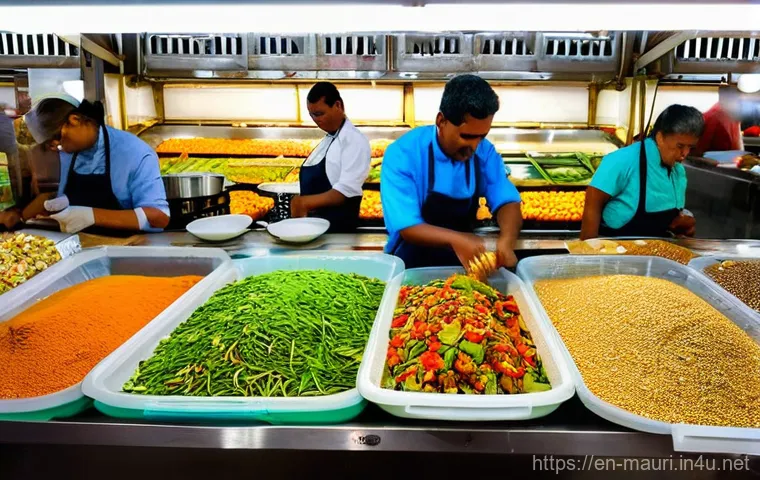
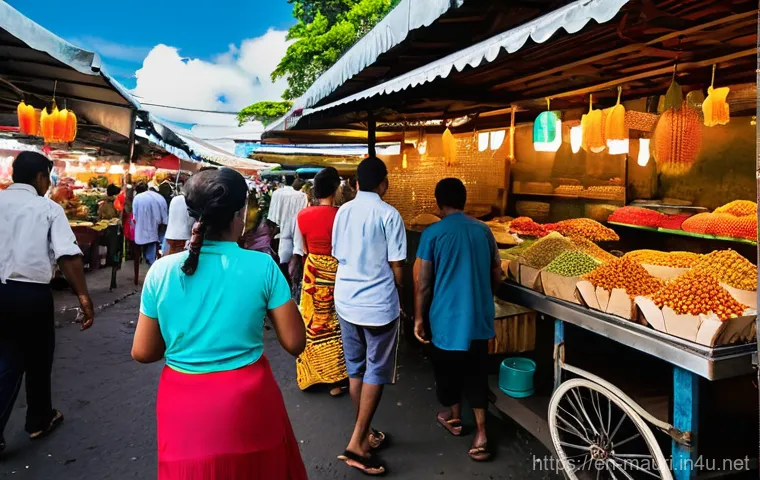
You know, for all the talk about Mauritius’s incredible beaches, my taste buds often remember the island even more vividly than my eyes do! It’s an explosion of flavors, truly. The first time I bit into a dholl puri, a thin, turmeric-infused flatbread filled with ground split peas and served with delicious curries and chutneys, I was absolutely hooked. It was during a bustling afternoon at the Port Louis Central Market, and the vibrant smells of spices, fresh herbs, and sizzling street food were intoxicating. This isn’t just food; it’s a living history lesson, a delicious testament to the incredible blend of cultures that call Mauritius home. You’ll find influences from India, Africa, France, and China dancing together on your plate, creating a cuisine that is uniquely Mauritian. I remember chatting with a local vendor, a sweet old lady who had been selling gateaux piment (chili cakes) for over fifty years, and she told me stories about her grandmother’s recipes, passed down through generations. It’s moments like these, sharing food and stories, that truly make a trip unforgettable. Forget the fancy restaurant five-star dining; the real culinary magic happens in the street food stalls and local homes.
The Spice Trails: From Market to Plate
Wandering through a local market, like the one in Flacq or Mahebourg, isn’t just a shopping trip; it’s an immersive sensory experience. The air is thick with the scent of vanilla, cinnamon, and exotic fruits you’ve probably never seen before. Vendors proudly display their produce, from fiery bird’s eye chilies to plump, ripe lychees and juicy pineapples. If you’re anything like me, you’ll want to pick up some local vanilla pods – the aroma is simply divine and makes for a fantastic souvenir. I even took a cooking class where we started by sourcing all our ingredients directly from the market, learning to distinguish between different types of curries and finding the freshest fish. There’s something incredibly satisfying about transforming these vibrant ingredients into a traditional Creole rougaille or a rich fish vindaye, knowing exactly where everything came from and the effort that goes into preparing these incredible meals. It brings you so much closer to the heart of Mauritian life, feeling the rhythm of the daily routine.
Sweet Endings and Street Eats
Beyond the savory curries, Mauritius has a soft spot for sweets and an amazing array of street food that will tempt you at every corner. Have you ever tried a ‘gato arouille’? It’s a taro cake, often subtly sweet, and just perfect with a cup of strong Mauritian tea. Then there are the ‘gâteaux patates’, sweet potato cakes that are surprisingly light and incredibly moreish. But for a quick, satisfying bite, you absolutely *must* try the ‘mine frite’ – fried noodles, usually with chicken or shrimp, packed with flavor and stir-fried to perfection. I found myself gravitating towards these little street food stands every day for lunch, skipping the hotel buffet entirely because the authenticity and flavor were just unparalleled. The sheer joy of eating alongside locals, sharing a laugh, and enjoying food that tastes like sunshine and tradition, is an experience I genuinely treasure. It’s affordable, delicious, and utterly authentic – everything you could want from a true culinary adventure.
The Rhythmic Soul of the Island: Sega Dance and Music
If you truly want to feel the pulse of Mauritius, you have to experience Sega. It’s more than just a dance; it’s the heartbeat of the island, a vibrant expression of joy, sorrow, and resilience that stems directly from the island’s creole heritage. I remember sitting on the beach one evening in Flic-en-Flac, the stars beginning to pepper the sky, and suddenly, the distinct sound of a ravanne (a goatskin drum) and a maravanne (a rattle) filled the air. Before I knew it, locals were gathering, and the infectious rhythm had everyone tapping their feet. The dancers, often barefoot, move their hips and arms to the beat, their smiles radiating pure happiness. It’s truly a sight to behold, and honestly, it’s hard not to get up and try to join in! I plucked up the courage to try a few steps, and while I probably looked clumsy, the welcoming laughter and encouragement made me feel like part of the family. The energy is absolutely contagious, and you can sense the deep cultural roots in every sway and beat.
The Beat of the Ravanne
At the core of Sega music are its traditional instruments, each with its own unique sound and story. The ravanne, a large, tambourine-like drum made from goat skin, produces a deep, resonant beat that forms the backbone of the music. Then there’s the maravanne, a rectangular shaker filled with seeds, creating a hypnotic rattling sound. And let’s not forget the triangle, adding its distinctive metallic chime. These aren’t just instruments; they are vessels of history, passed down through generations. I even had the chance to speak with a ravanne maker, who explained the intricate process of stretching and curing the goatskin, emphasizing how each drum has its own unique voice. Hearing these instruments played live, especially during a spontaneous gathering, really highlights the raw, unfiltered beauty of Mauritian culture. It’s a sound that stays with you long after the music fades, a genuine connection to the island’s soul.
Joining the Dance: A Taste of Local Festivities
While you might see Sega performances put on for tourists, nothing beats experiencing it during a local celebration or a casual beach gathering. The authenticity is palpable. These are moments where families and friends come together, shedding their inhibitions and simply celebrating life through movement and song. I was incredibly lucky to be invited to a small village fête, and the Sega there was truly special. Children, elders, everyone was swaying, laughing, and just soaking in the joyous atmosphere. It’s a non-judgmental space where everyone is encouraged to participate, regardless of their dancing ability. It’s about collective happiness and shared heritage. If you get the chance, don’t just watch – try to join in! Even if you’re shy, a simple sway will be met with smiles and encouragement. It’s a powerful way to break down cultural barriers and feel truly connected to the Mauritian spirit, creating memories that are far richer than any postcard could convey.
Crafting Memories: Artisanal Traditions and Souvenirs
When I travel, I always look for something truly special to bring home, something that tells a story and isn’t just a generic souvenir. In Mauritius, you’re spoiled for choice with incredible artisanal crafts that reflect the island’s rich heritage and the ingenuity of its people. I remember wandering through a small workshop in Curepipe, watching a craftsman meticulously shaping a miniature wooden dodo bird. The care and precision in his movements were mesmerizing. These aren’t just trinkets; they’re pieces of art, embodying skills passed down through families for decades, sometimes even centuries. From intricate model ships, paying homage to the island’s maritime history, to beautifully woven baskets made from locally sourced vetiver grass, each item has a unique charm. It makes you realize that behind every beautiful piece is a person with a story, keeping a tradition alive. I picked up a hand-woven basket that day, and every time I see it in my living room, it transports me right back to that sunny Mauritian workshop, reminding me of the warmth and creativity of the islanders.
Handmade Treasures: Echoes of Heritage
The range of handcrafted items in Mauritius is truly impressive. You’ll find exquisite embroidery work, often adorning linens or traditional clothing, showcasing delicate patterns that are unique to the island. Then there are the intricate seashell crafts, from delicate jewelry to decorative pieces, utilizing the abundant natural resources of the coastline. For something truly unique, seek out locally produced vanilla products – not just the pods, but vanilla-infused teas, rums, and even soaps, all made with the island’s famous fragrant vanilla. I was particularly fascinated by the textile printing, where artisans use traditional block-printing methods to create vibrant, colorful fabrics. It’s a slower, more deliberate process than modern manufacturing, and you can see the love and attention to detail in every single print. Supporting these local artisans isn’t just about buying a souvenir; it’s about contributing to the preservation of cultural heritage and empowering local communities. It feels good to know your purchase helps keep these ancient crafts alive.
The Art of Model Ship Building
One of the most iconic crafts in Mauritius is undoubtedly the art of model ship building. These aren’t just toys; they are incredibly detailed, museum-quality replicas of famous historical vessels, from colonial era frigates to modern yachts. I once visited a workshop where master craftsmen were painstakingly assembling tiny rigging and painting miniature hulls. It’s an unbelievably precise and time-consuming process, with some larger models taking months to complete. Each piece is meticulously researched to ensure historical accuracy, making them incredible conversation pieces. You can find these workshops in towns like Curepipe or Goodlands, and watching the artisans at work is a true lesson in patience and dedication. Even if you don’t purchase one of the larger models, smaller, equally detailed versions are available and make for fantastic, high-quality gifts. It truly encapsulates the island’s deep connection to the sea and its rich history as a trading hub, a silent testament to centuries of maritime adventures.
| Traditional Mauritian Experience | What to Expect | Local Insight / My Tip |
|---|---|---|
| Creole Cooking Class | Hands-on experience preparing dishes like Rougaille, Curry, or Dholl Puri. | Look for classes that include a market visit; it adds so much context! I learned so much about spices this way. |
| Sega Dance Performance & Lesson | Live music with traditional instruments (ravanne, maravanne) and basic dance steps. | Don’t be shy! Embrace the energy and try to participate; locals love sharing their culture. It’s genuinely heartwarming. |
| Artisanal Workshop Tour | Visit model ship builders, textile printers, or basket weavers. | Engage with the artisans. Their stories behind the crafts are as fascinating as the creations themselves. I found some truly unique pieces. |
| Grand Bassin (Ganga Talao) Visit | Explore the sacred Hindu site, temples, and impressive statues. | Go during a festival if possible, but any time offers a serene, spiritual experience. Respectful attire is a must. |
Whispers of the Past: Exploring Historical Sites and Legends
Stepping away from the dazzling beaches, Mauritius unveils a rich tapestry of history, etched into its colonial buildings, solemn memorials, and vibrant legends. I’ve always been drawn to places with a story, and Mauritius has them in spades. Walking through the streets of Port Louis, particularly around the Aapravasi Ghat, a UNESCO World Heritage site, you can almost hear the echoes of the indentured laborers who arrived here in the 19th century. It’s a profoundly moving experience, reminding you of the island’s complex past and the diverse roots of its population. The blend of French colonial architecture, alongside bustling markets, creates a unique atmosphere that transports you back in time. It’s not always a pretty history, but it’s essential to understanding the Mauritian people today – their resilience, their harmonious coexistence, and their vibrant culture. I remember spending an entire afternoon just wandering, absorbing the atmosphere, and feeling a deep connection to the generations who walked these very same paths before me.
Unearthing Colonial Footprints
Beyond Aapravasi Ghat, the island is dotted with remnants of its colonial past. The Eureka House, a beautifully preserved Creole colonial mansion, offers a fascinating glimpse into 19th-century plantation life. I loved strolling through its extensive gardens, feeling like I’d stepped into a different era. Then there’s Fort Adelaide, perched atop a hill overlooking Port Louis, offering panoramic views of the city and its harbor – a perfect spot for sunset, if you ask me, and a place where you can visualize the strategic importance of the island. These sites aren’t just old buildings; they’re living museums that tell the story of sugar cane plantations, the arrival of diverse communities, and the struggles and triumphs that shaped modern Mauritius. It’s a different kind of beauty than the beaches, a raw, historical beauty that grounds you and offers a deeper understanding of this incredible nation. Every stone, every archway, seems to whisper tales of times gone by.
Stories Carved in Stone and Memory
But history in Mauritius isn’t just about grand buildings; it’s also embedded in local legends and folklore. You’ll hear tales of the Dodo, of course, but also lesser-known stories about hidden treasures, brave pirates, and even mischievous spirits. Locals are often happy to share these oral traditions, especially if you show genuine interest. One evening, staying at a small guesthouse, the owner recounted a fascinating story about a legendary cave and its guardian spirit, a tale passed down from his grandparents. It’s these personal encounters and shared narratives that truly bring the past to life, adding a magical, almost mystical layer to your exploration. Visiting places like Martello Tower, a defensive tower built by the British, becomes more meaningful when you imagine the battles fought there, or the lonely watchmen gazing out to sea. It’s about connecting with the human element of history, not just reading about dates and events in a textbook, and that’s what makes it so incredibly compelling.
Beyond the Beaches: Spiritual Sanctuaries and Local Faiths
One of the most remarkable aspects of Mauritius, something that truly touched my heart, is the incredible religious harmony you find there. Despite its diverse population – Hindus, Muslims, Christians, and Buddhists – people genuinely coexist with respect and understanding. It’s not something you just read about; you *feel* it. The iconic Grand Bassin, or Ganga Talao, is perhaps the most striking example. This natural crater lake, considered sacred by Mauritian Hindus, is home to a magnificent collection of temples and towering statues of Hindu deities, including a truly awe-inspiring 108-foot Shiva. My first visit there, during a quieter time of year, was incredibly serene and reflective. The air was filled with the scent of incense, and the gentle chanting from a distant temple created an atmosphere of profound peace. It wasn’t just a tourist site; it felt like stepping into a deeply spiritual space, a powerful testament to the island’s soul. It’s places like this that really deepen your understanding of Mauritius beyond its postcard-perfect shores.
The Sacred Waters of Ganga Talao
Grand Bassin holds immense significance for the Hindu community in Mauritius, being the site of an annual pilgrimage, Maha Shivaratree, where thousands walk from all over the island to offer prayers. I haven’t been fortunate enough to witness the full pilgrimage yet, but even seeing the preparations, the dedication of the devotees, is incredibly moving. The lake itself is believed to be connected to the sacred Ganges River in India, adding another layer of spiritual depth. Surrounding the main temples are numerous smaller shrines, each dedicated to different deities, all beautifully adorned and maintained. It’s a place where you can spend hours just absorbing the quiet devotion, watching families perform their rituals, and admiring the intricate artistry of the statues. Remember to dress respectfully – shoulders and knees covered – as it is a deeply sacred place. This experience truly broadened my perspective on faith and community, demonstrating a profound spiritual connection that transcends the everyday.
A Tapestry of Beliefs: Harmony in Diversity
But Grand Bassin is just one thread in the rich spiritual tapestry of Mauritius. You’ll find beautiful mosques, like the Jummah Mosque in Port Louis, with its stunning architecture, standing proudly alongside historic Catholic churches, some dating back to the French colonial era. I remember walking past a church where Sunday mass was just letting out, and later that day, hearing the call to prayer from a nearby mosque – all within the same vibrant community. It’s a powerful lesson in peaceful coexistence. The island truly embodies a spirit of mutual respect, where different festivals are celebrated with gusto by people of all backgrounds. This isn’t just tolerance; it’s an active embracing of each other’s traditions. Visiting these diverse places of worship, understanding their histories and significance, provides such an incredible insight into the Mauritian way of life. It’s a gentle reminder that unity in diversity is not just an ideal, but a lived reality on this remarkable island.
The Heart of the Home: Mauritian Hospitality and Guesthouses
When you venture beyond the resorts, into the heart of Mauritian towns and villages, you discover a warmth and hospitality that is truly unparalleled. This isn’t just about friendly service; it’s a genuine desire to welcome you, to share their culture, and to make you feel like family. I’ve always found that staying in a local guesthouse or even a homestay, if you can arrange one, offers such a richer, more authentic travel experience than any five-star hotel ever could. You get to interact directly with locals, learn about their daily lives, and often, share meals that are far more delicious and heartfelt than anything you’d find in a tourist-focused restaurant. I remember one evening, the owner of my guesthouse in Mahebourg invited me to join his family for dinner – a simple, home-cooked chicken curry and rice, but it was one of the most memorable meals of my entire trip. The laughter, the stories, the feeling of being genuinely included – that’s the real Mauritius, in my opinion, and it’s something you won’t find hidden behind resort walls. It’s an immersion, not just a visit.
Homestays and Local Connections
Choosing a homestay or a family-run guesthouse is, hands down, the best way to tap into the authentic local vibe. These places often offer a glimpse into Mauritian domestic life that you simply wouldn’t get otherwise. You might wake up to the smell of freshly brewed local coffee, join the family for breakfast, and get insider tips on the best local spots that aren’t in any guidebook. I even learned a few basic Creole phrases from my host family, which always brought big smiles to the faces of locals I met throughout my travels. These aren’t just places to sleep; they become your temporary home, and the hosts often become dear friends. The exchange goes both ways – you get to learn about their culture, and they get to learn about yours. It’s an enriching experience that fosters genuine connections, turning a simple trip into a meaningful journey filled with shared moments and unforgettable memories. If you crave authentic human connection during your travels, this is absolutely the way to go.
The Language of Welcome
Mauritians are incredibly polite and welcoming, and their hospitality often extends beyond just providing a comfortable place to stay. It’s evident in the small gestures: a warm smile, an offer of a cup of tea, a willingness to help you navigate unfamiliar streets. The national languages are English and French, but Creole is the most widely spoken, and even a few basic Creole phrases can go a long way in endearing you to the locals. Saying “Bonjour” (good day), “Merci” (thank you), or “Ki manière?” (how are you?) can open doors to wonderful interactions. I found that Mauritians are generally very patient and happy to engage, even if there’s a language barrier. This inherent friendliness makes exploring the island feel incredibly safe and inviting. You’re not just a tourist; you’re a welcomed guest, and that distinction makes all the difference. It’s this genuine human connection that, for me, elevates Mauritius from a beautiful destination to a truly special place that I can’t wait to revisit.
Concluding Thoughts
As our journey through the vibrant tapestry of Mauritian culture comes to a close, I hope you’ve felt the same incredible warmth and wonder that I have. Beyond the breathtaking beaches and luxurious resorts, it’s the heart of the island – its rich history, diverse cuisine, rhythmic Sega, and, most importantly, its incredibly welcoming people – that truly captures your soul. Every shared meal, every sway to a Sega beat, every intricate craft purchased, tells a story of resilience, harmony, and joy. It’s a destination that engages all your senses and leaves you with a profound sense of connection, making memories that resonate long after you’ve returned home. Mauritius isn’t just a place to visit; it’s an experience to live, a culture to embrace, and a vibrant community ready to welcome you with open arms.
Useful Information to Know
1. Currency and Payments: The local currency is the Mauritian Rupee (MUR). While credit cards are widely accepted in hotels and larger establishments, having some cash on hand is essential for local markets, street food vendors, and smaller shops. ATMs are readily available in towns, and I’ve found that exchanging currency at the airport or official bureaux de change offers decent rates.
2. Transportation: Getting around Mauritius is fairly easy. Taxis are abundant, but always agree on a fare before starting your journey. For a more adventurous and cost-effective option, local buses cover most of the island and offer a fantastic way to observe local life. Renting a car gives you the most freedom to explore at your own pace, just remember they drive on the left side of the road!
3. Local Etiquette and Greetings: Mauritians are incredibly friendly and respectful. A simple “Bonjour” (good day) or “Merci” (thank you) in French or Creole goes a long way. When visiting religious sites, it’s customary to dress modestly, covering your shoulders and knees. Always ask for permission before taking photos of people, especially in more rural areas, as it’s a sign of respect.
4. Best Time to Visit: Mauritius enjoys a tropical climate year-round, but the drier, cooler months from May to December are generally considered the most pleasant, with less humidity and comfortable temperatures for exploring. If you’re into diving or snorkeling, the waters are fantastic almost any time, but be mindful of cyclone season from January to March, though direct hits are rare.
5. Staying Connected: Wi-Fi is common in hotels and guesthouses. For constant connectivity, consider purchasing a local SIM card (from providers like Emtel or My.T) upon arrival. They’re affordable and incredibly useful for navigation, keeping in touch, and sharing your adventures in real-time. I always grab one – it’s a lifesaver for finding those hidden local gems!
Key Takeaways
Mauritius is far more than just a beach destination; it’s a vibrant cultural melting pot offering a rich tapestry of experiences. Dive into its incredible Creole cuisine, from bustling street food to home-cooked meals, experiencing the fusion of Indian, African, French, and Chinese influences firsthand. Allow yourself to be captivated by the rhythmic soul of the island through Sega dance and music, a powerful expression of its heritage and joy. Explore the intricate world of artisanal crafts, like model ship building and weaving, which embody generations of skill and storytelling. Step back in time by visiting historical sites such as Aapravasi Ghat and colonial mansions, uncovering the island’s profound past. Most importantly, embrace the genuine warmth of Mauritian hospitality; staying local and connecting with the islanders will truly transform your trip into an unforgettable journey of human connection and authentic discovery.
Frequently Asked Questions (FAQ) 📖
Q: So, I’m totally on board with exploring beyond the postcard-perfect beaches, but honestly, where do I even start looking for these authentic cultural experiences in Mauritius without getting stuck in a tourist trap?
A: Oh, I totally get this! When I first started looking, I felt a little overwhelmed too, thinking it would be hard to dig past the resorts. But what I quickly learned is that the real magic often happens just a little off the beaten path, and it’s easier to find than you might think.
My best advice? Start by looking for local guesthouses or eco-lodges, often family-run. These places are absolutely brilliant because the hosts are usually overflowing with local knowledge and are genuinely eager to share their culture.
I remember staying at this quaint little place near Mahébourg, and my host, a wonderful lady named Auntie Mala, practically became my personal guide to the neighborhood’s hidden gems!
She pointed me to a small, bustling market that wasn’t in any guidebook and even invited me to a community sega night. Also, don’t underestimate the power of simply asking around once you’re there.
Strike up a conversation with your taxi driver, a shopkeeper, or even the person next to you at a local eatery. Mauritians are incredibly friendly, and I’ve found that they love to share their traditions.
You’d be amazed how many incredible suggestions I’ve gotten this way – from small, independent craft workshops to incredible home-cooked meals that tasted like pure sunshine.
It’s about being open, a little adventurous, and trusting the locals; they’re the true keepers of the island’s soul.
Q: That sounds amazing! Now you’ve got me itching for specifics. What are some definite, must-try traditional experiences in Mauritius that will really immerse me in the local way of life?
A: Alright, if you’re ready to truly dive in, let me tell you about a few experiences that absolutely stole my heart and gave me such a profound connection to Mauritius.
First up, you HAVE to experience sega dancing firsthand. Forget the watered-down resort versions; find a local performance, perhaps at a community gathering or a small restaurant that hosts cultural evenings.
The rhythmic beats, the vibrant skirts swaying, the infectious energy – it’s pure joy, and I guarantee you’ll be tapping your feet and maybe even trying a few steps yourself!
I still remember the exhilarating feeling of watching a group of locals dance with such passion; it wasn’t just a performance, it was a celebration of their history and identity.
Another absolute must is a Creole cooking class. This isn’t just about food; it’s about flavor, history, and community. Learning to pound spices with a traditional pestle and mortar, stirring a simmering curry, and then sharing the meal you’ve prepared with newfound friends is an experience you won’t soon forget.
My own cooking class felt less like a lesson and more like a lively family gathering, complete with laughter and incredible stories shared over steaming plates of rougaille.
And for something truly unique, seek out artisan workshops. Many villages have local craftspeople specializing in everything from intricate basket weaving to delicate ship models and unique textile printing.
Visiting their workshops, watching them create, and even trying your hand at a technique or two offers a beautiful glimpse into generations of skill and artistry.
These aren’t just souvenirs; they’re tangible pieces of Mauritian heritage.
Q: I love the idea of connecting with locals, but I admit, I get a little nervous about stepping out of my comfort zone. Will I truly feel welcome, and what’s the best way to interact respectfully without feeling like an outsider or interrupting their daily lives?
A: Oh, I completely understand that feeling! It’s natural to worry about being respectful and making genuine connections. But let me tell you, Mauritian hospitality is legendary, and I was genuinely blown away by the warmth and openness I encountered.
This was one of my biggest concerns before my trip, but honestly, those worries melted away within days. The key, I’ve found, is to approach every interaction with genuine curiosity and respect.
A simple smile, a polite “Bonjour” or “Bonsoir,” and even learning a few basic Creole phrases like “Ki dir?” (How are you?) or “Mersi” (Thank you) can open so many doors.
Locals truly appreciate the effort, and it shows you’re interested in their culture, not just passing through. When I was visiting a small fishing village, I remember politely asking a fisherman about his catch, and before I knew it, he was telling me stories about his family and the sea – it was such a heartwarming, unscripted moment.
Participating in local events, even just by observing respectfully, also helps. If you’re invited to share a meal or join a celebration, embrace it! These are incredible opportunities for true cultural exchange.
Just be mindful of local customs, dress modestly when visiting religious sites, and always ask permission before taking photos of people. The amazing thing about Mauritians is their incredibly diverse heritage, and they take immense pride in sharing it.
You won’t feel like an outsider for long; you’ll feel like a welcomed guest, and by the end of your trip, you might even feel like family, just as I did.